

21 Top Things to do in Tulum for Adults, Couples, and Kids

Tulum, once a quiet fishing village, is now one of Mexico’s top travel destinations, attracting over 2.5 million visitors each year. Located 81 miles south of Cancún, it combines ancient Mayan ruins, eco-friendly beaches, and natural cenotes for swimming and diving. The town offers unique experiences for adults, couples, and families—from snorkeling in the Mesoamerican Reef to exploring the Sian Ka’an Biosphere Reserve. With its bohemian vibe, sustainable tourism, and breathtaking scenery, Tulum is the perfect mix of adventure, relaxation, and culture.
According to data from the Quintana Roo Tourism Board, Tulum has gone from a quiet fishing village to Mexico's most Instagram-famous destination, drawing more than 2.5 million visitors each year. This Caribbean coast town is special because it has ancient Mayan ruins on 40-foot cliffs overlooking turquoise waters, as well as a bohemian beach culture and eco-friendly tourism.
Tulum is 81 miles south of Cancún and has three main areas:
- The archaeological site, the beach hotel zone that runs 6 miles along the coast,
- And Tulum Pueblo (downtown), where locals live and budget travelers can find cheap places to stay.
- The 95 cenotes in the area are natural limestone sinkholes filled with clear freshwater.
Tulum offers swimming and diving experiences unlike any other. The Mesoamerican Barrier Reef, which stretches 600 miles, is the second-largest reef system in the world. You can go snorkeling and diving right off the coast. Let’s see the details:
Why Visit Tulum
Unlike most resort towns, this one is dedicated to sustainable tourism. Many hotels use solar power to run their businesses, reduce waste, and support local conservation efforts.
Sian Ka'an Biosphere Reserve, a UNESCO World Heritage Site that begins just south of Tulum, protects 1.3 million acres of tropical forests, mangroves, marshes, and marine environments, home to more than 300 bird species and endangered animals such as jaguars and West Indian manatees.
The beach area of Tulum is meant to limit development on purpose. No buildings are taller than trees, the streets are not paved to protect the environment, and there are no traditional nightclubs, which keeps the area peaceful even during peak season.
This intentional approach makes experiences that are more about connecting with nature than about commercial entertainment.
All these reasons make Tulum the best travel destination you must see! Now we can discuss all the details you need to know to add this city to your bucket list:
Best Time to Visit Tulum
First thing that matters is your timing for travel to enjoy all attractions in this city: For a clear understanding, we create a Monthly Weather and Activities Guide in the table below:
| Month | Avg High/Low (°F) | Rainfall | Humidity | Top Activity |
|---|---|---|---|---|
| January | 82°/68° | 2.1 inches | 75% | Ruins exploration in comfortable weather |
| February | 84°/69° | 1.6 inches | 73% | Beach relaxation, peak season |
| March | 86°/71° | 1.4 inches | 72% | Cenote swimming, spring break energy |
| April | 88°/73° | 1.5 inches | 73% | Snorkeling and diving, excellent visibility |
| May | 90°/76° | 4.2 inches | 77% | Early morning activities before the heat |
| June | 91°/77° | 6.5 inches | 79% | Sea turtle nesting season begins |
| July | 91°/77° | 3.9 inches | 78% | Afternoon cenote cooling |
| August | 92°/77° | 4.7 inches | 79% | Underwater cave exploration |
| September | 90°/76° | 7.8 inches | 81% | Shoulder season deals, fewer crowds |
| October | 87°/74° | 8.5 inches | 82% | Biosphere reserve tours |
| November | 84°/71° | 3.5 inches | 78% | Sian Ka'an day trips |
| December | 82°/69° | 2.8 inches | 76% | Holiday season beach time |
Dry season (November-April)
The best time to visit is during the dry season, which runs from November to April. The temperatures are between 82 and 88 degrees Fahrenheit, there is little rain, and the humidity is lower.
December through March is the busiest time for tourists, with the most expensive prices and the most people, especially around Christmas, New Year's, and spring break (mid-March to early April).
Rainy season (May-October):
During the rainy season, which lasts from May to October, thunderstorms occur in the afternoon and usually clear up in 1 to 2 hours. This leaves the mornings sunny for activities.
There is a risk of hurricanes from September to October, but direct hits are still very rare. During this time, hotel prices are 30–50% lower, and the atmosphere is more authentic because there are fewer international tourists.
How to Get to Tulum and Around the City
Cancún International Airport is the main arrival point. It is 81 miles north and handles more than 31 million passengers a year.
You can get around on the ground by taking a private shuttle (costing $50–70 per vehicle), a shared shuttle (costing $25–35 per person), a rental car (costing $30–50 per day), or an ADO bus (costing $12–15 per person, 2–2.5 hours).
The new Tulum International Airport, which opened in late 2023 and is about 30 miles from town, currently serves only a few domestic flights, but plans to add more international flights in the future.
- Renting a bike for $10 to $15 a day is the best way to get around Tulum's beach zone, as the flat coastal road has bike lanes and stretches for 6 miles. Colectivos (shared vans that cost $2–3) run often along the main highway between downtown and the beach zone.
- Taxis don't have meters, so you should agree on a price before you leave. The price is usually $10–15 from downtown to the beach zone and $8–12 between hotels in the beach zone.
- Rental cars give you the freedom to visit cenotes and archaeological sites that are too far away to bike to, but parking in the beach zone can be complicated to find and expensive ($5–10 per day at beach clubs).
Tulum at Night vs Day
Depending on the time of day, Tulum has two very different experiences. During the day, you can explore the area's natural beauty, such as its beaches, ruins, and cenotes. At night, the vibe is calm and bohemian, with a focus on food, music, and connecting with nature instead of loud parties.
| Aspect | Daytime in Tulum | Nighttime in Tulum |
|---|---|---|
| Main Focus | Outdoor activities, beach time, and sightseeing | Dining, live music, and relaxed socializing |
| Key Attractions | Archaeological site (8 AM–5 PM), beach clubs (8 AM–sunset), cenotes (best light in mornings) | Beach dinners with live music, candlelit venues, and local bars in downtown |
| Atmosphere | Bright, active, nature-driven | Calm, intimate, bohemian |
| Crowds | Busier mid-day, especially at tourist spots | Milder, fewer crowds, quieter settings |
| Lighting & Nature | Natural sunlight is ideal for photography | Limited artificial light to protect sea turtles and the ambiance |
| Closing Time | Beach clubs close at sunset | Most venues close by midnight |
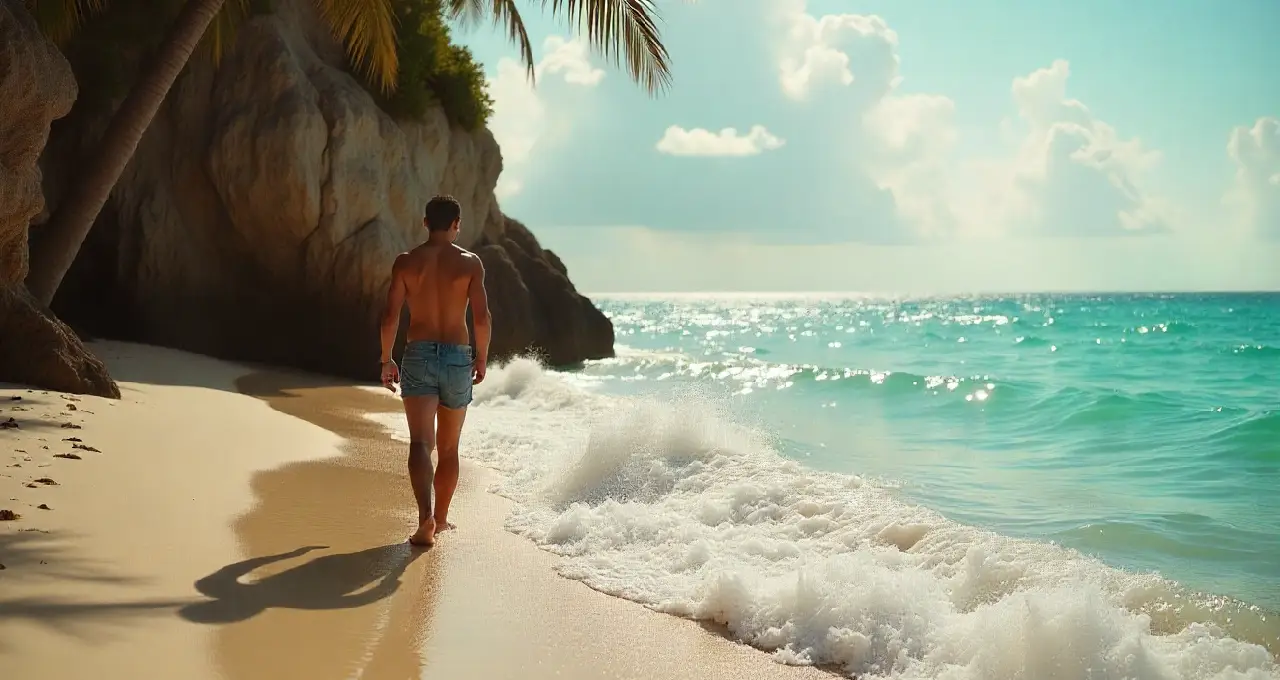
Top Outdoor Adventures in Tulum
The Best Outdoor Activities in Tulum that can make unforgettable memories for you, including:
1. The Tulum Archaeological Site
These coastal ruins sit on 40-foot-high limestone cliffs and showcase Mayan architectural skill against a Caribbean backdrop. The El Castillo temple is the most important building in the complex. It used to guide traders through reef passages from miles away.
The site is 16 acres and includes the Temple of the Frescoes, which features original murals depicting how the Mayans saw the universe. Get there at 8:00 AM, when the weather is cooler, the crowds are smaller, and the lighting is best for taking pictures.
The beach below the ruins offers swimming access, creating unique experiences that blend ancient history with natural beauty.
2. Gran Cenote
This cenote, which is shaped like a horseshoe and is 2.5 miles from downtown, has perfect conditions for snorkeling and diving. The water is crystal clear and stays at 77°F all year long, with visibility over 100 feet.
There are underwater tunnels connecting rooms where stalactites and stalagmites form strange shapes. Snorkelers observe freshwater fish and small turtles, while certified divers explore deeper into the caves. Changing rooms, showers, lockers, and equipment rentals are all available.
The $20 entrance fee goes toward maintenance and conservation. Go early (8:00–10:00 AM) before the crowds show up. The sunlight will shine through the water, creating beautiful light beams.
3. The Sian Ka'an Biosphere Reserve
Starting 10 miles south, UNESCO World Heritage protection covers 1.3 million acres of untouched ecosystems.
- Guided tours go through mangrove channels, lagoons, and coastal waters to see dolphins, manatees, sea turtles, and more than 300 bird species. The Muyil archaeological site in the reserve is linked to old canals that the Maya built for travel.
- Full-day tours ($100–150) include boat rides through mangroves, floating down natural channels, bird watching, and trips to beaches that are hard to get to. Small groups (no more than 12 people) have less of an effect on the environment and make it easier to see wildlife.
4. Snorkeling in the Mesoamerican Reef
The world's second-largest barrier reef is just off the coast, and it's great for snorkeling. You can get there by boat in a short amount of time. Coral reefs are home to sea turtles, rays, nurse sharks, tropical fish, and sometimes dolphins.
- Akumal Bay (30 minutes north) is a popular place to snorkel because green sea turtles feed on seagrass beds in shallow water, which makes it easy to see them up close.
- Local guides lead responsible tours that focus on protecting marine life. They tell you not to touch wildlife, use reef-safe products, and stay away from nesting areas. Half-day trips ($40–60) usually go to two or three places and provide the equipment.
5. Diving in cenotes and exploring caves
There are more than 6,000 cenotes in the Riviera Maya, and they are all connected by underground rivers that flow for hundreds of miles.
Certified divers go into flooded caves with fantastic rock formations, fossils, and places that are part of the Mayan underworld mythology.
- Dos Ojos (two connected cenotes with great visibility), The Pit (a 400-foot-deep shaft with amazing light effects), and Casa Cenote (a mangrove-connected system with one-of-a-kind brackish water) are all popular dive cenotes.
- Two-tank dive packages ($120–180) come with gear, guides, and transportation. You only need an open-water certification to dive in caves, but you need a full cave certification to get to more advanced passages.
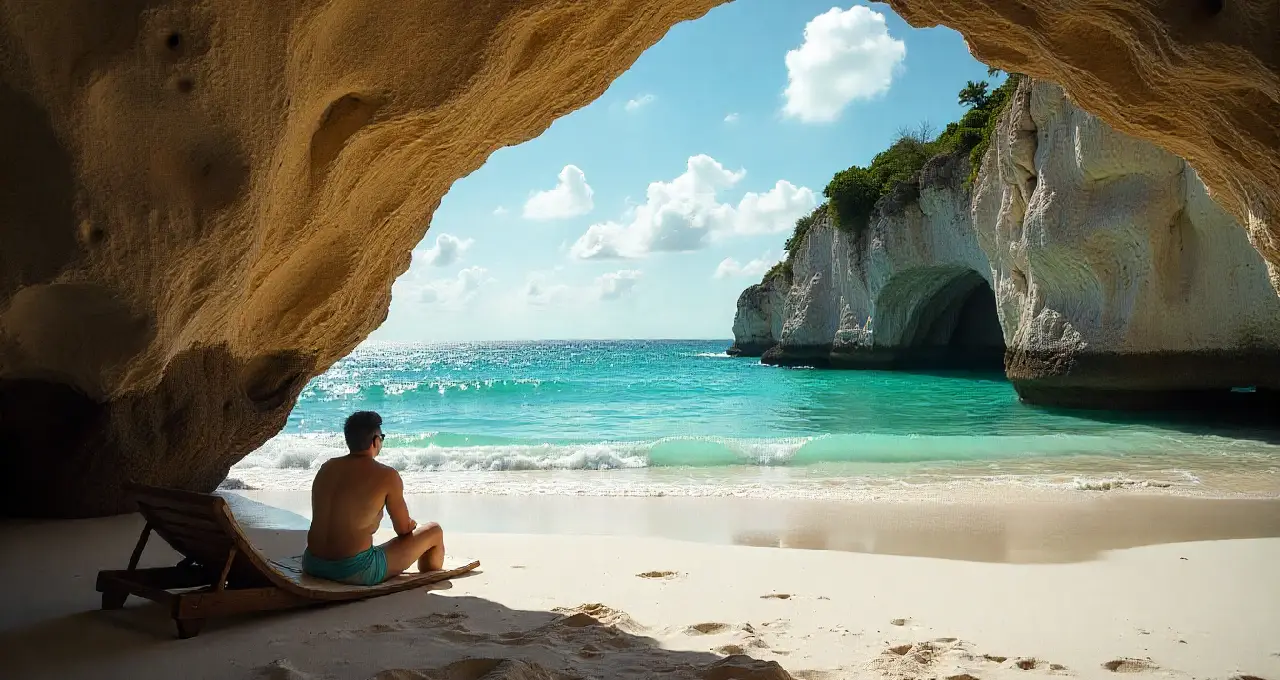
Free Things to Do in Tulum:
For travel, free things to do on vacation can help us keep our budget in check. Tulum has many of these things to do:
- Playa Paraíso lets people use the beach without having to buy anything first. This beautiful beach has powdery white sand and turquoise water, making it one of the best places to swim in Tulum. Get there early because parking fills up quickly, and bring an umbrella for shade because there isn't much natural cover.
- Exploring Tulum Pueblo shows what real Mexican life is like outside of tourist areas. You can experience the culture for free by visiting the central plaza, local markets, street food vendors, and neighborhood taquerías. There are cheap restaurants near the ADO bus station where you can get $5 meals that showcase local food.
- When you bike along the beach zone roads, you can see luxury hotels, beach clubs, and coastal scenery without having to pay to get in. Many properties allow you to walk between venues via public beach access points.
- Cenote Cristal and Cenote Escondido charge very little to get in ($5–7), which is less than what other touristy cenotes charge. They have basic facilities and are great places to swim in beautiful natural settings.
What to Do in Tulum with Kids
Tulum has a mix of nature, culture, and adventure that is great for families. Kids can safely explore the environment and history while swimming in cenotes, meeting turtles, and visiting animal sanctuaries.
| Activity | Description | Best For |
|---|---|---|
| Beach Activities | Gentle Caribbean waters are ideal for swimming, sandcastles, and shell collecting. Many beach clubs offer kids’ menus, shallow pools, and supervised areas. | Ages 3+ |
| Akumal Turtle Snorkeling | Kids can snorkel with green sea turtles in shallow bays under guided supervision. Life jackets and children’s gear provided. | Ages 6+ |
| Tulum Monkey Sanctuary | Educational tours introduce rescued monkeys and teach conservation in a fun, interactive setting. | Ages 5+ |
| Cenote Swimming (e.g., Cenote Azul) | Safe, shallow cenotes with lifeguards and facilities. Clear waters let kids spot fish and rocks. | Ages 4+ |
| Tulum Archaeological Site | Compact ruins suitable for short visits with breaks and beach access afterward. Combine with simple Mayan history lessons. | All ages |
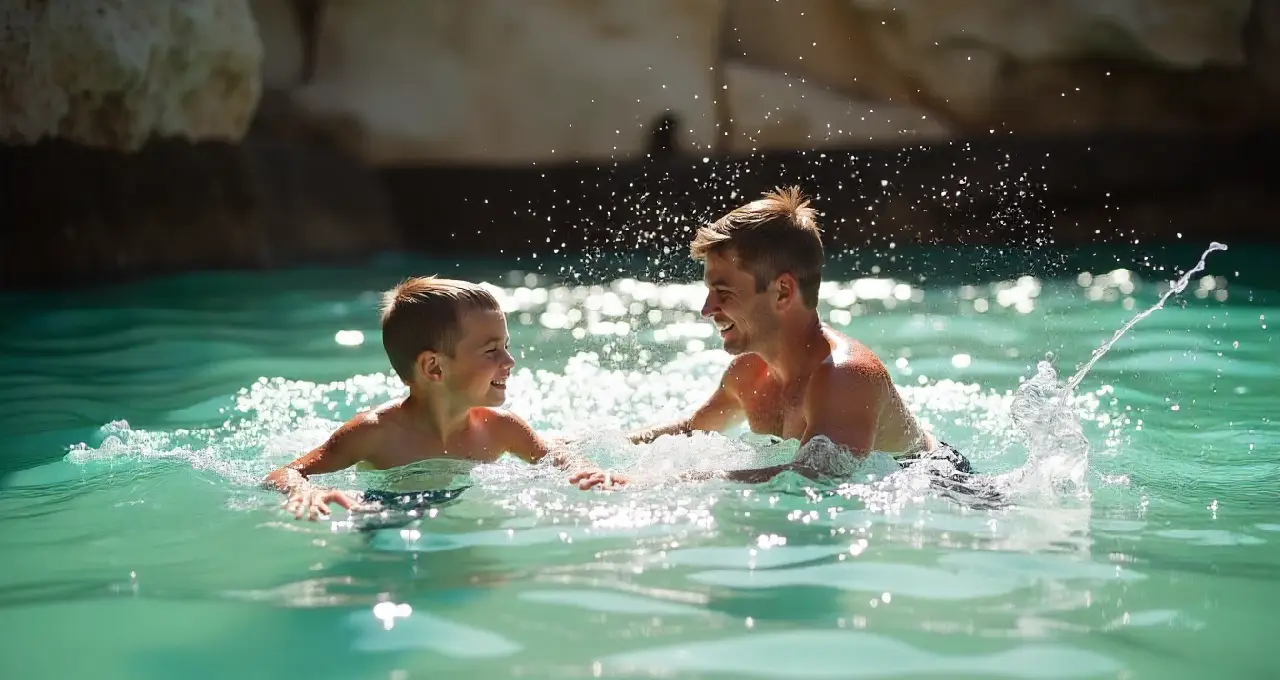
Top Things to Do in Tulum for Adults
Adults can enjoy Tulum's lively mix of wellness, adventure, and fine dining, which includes yoga retreats, kitesurfing, Mayan spa rituals, and gourmet food
| Experience | Description | Cost Range (USD) |
|---|---|---|
| Yoga & Wellness Retreats | Beachfront sunrise sessions and holistic retreats blending yoga, meditation, and nutrition. | $15–25 per class |
| Kitesurfing & Paddleboarding | Ideal wind conditions Nov–Mar; schools offer beginner lessons or rentals. | $80–100 lessons |
| Mayan Clay Spa & Temazcal | Traditional healing using cenote clay, herbs, and guided meditation for detox and renewal. | $100+ |
| Farm-to-Table Dining | Organic, locally sourced dishes at restaurants like Hartwood with artisanal cocktails. | $50–200 dining |
| Freediving & Advanced Water Sports | Courses in breath-hold diving, kiteboarding, and fishing charters for adventurous travelers. | $100–300+ |
Top Things to Do in Tulum for Couples
Tulum's romantic vibe comes from its natural beauty and private experiences, such as sailing at sunset, swimming in cenotes, and dining on the beach.
| Activity | Experience Highlights | Typical Price (USD) |
|---|---|---|
| Romantic Beachfront Dining | Candlelit tables in the sand, personalized menus, oceanfront ambiance. | $150–300 |
| Couples Spa & Wellness | Jungle or beachfront massages, private yoga, or cenote sessions together. | $100–250 |
| Sunset Sailing | Private catamaran cruises with drinks, snacks, and swimming stops. | $200–400 |
| Sunrise at the Ruins | Early visit to Tulum’s clifftop ruins for quiet moments and stunning photos. | Entry: $5–10 |
| Private Cenote Tours | Exclusive access to secluded cenotes, often with photography packages. | $150–250 |
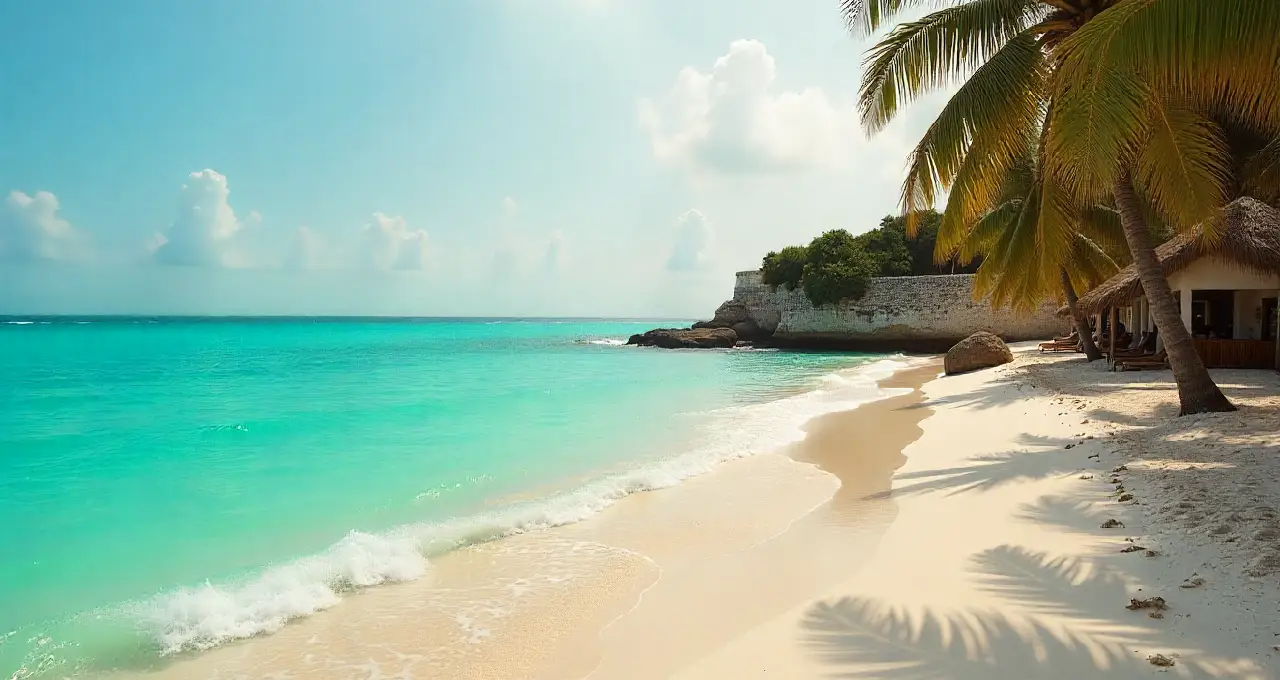
Where to Stay in Tulum
Choosing the best accommodation can enhance your unique experience! So finding the best hotel with big deals or big offers is one of your main tasks when planning your trip.
You can choose your place to stay from the options below:
- Luxury eco-resorts: In the beach zone, places like Azulik and Nomad have no electricity policies (only candles and solar lights), making for unplugged experiences. Rates range from $300 to $800 per night and include stylish rooms, beach access, and resort amenities like pools, restaurants, and yoga studios.
- Mid-range hotels: Along the beach, hotels that cost between $150 and $300 offer comfortable rooms, direct access to the beach, and hotel services without being too fancy. Many have pools, restaurants, and yoga spaces, and their prices are lower than those of the best properties.
- Downtown accommodations ($30–100) are great for travelers on a budget or those who would rather explore than spend time on the beach. Hotels and hostels that are clean and comfortable, as well as vacation rentals, can help you save money on lodging so you can spend more on activities, meals, and experiences.
- Vacation rentals on platforms like Airbnb and PlaninGo suit families and groups who need multiple bedrooms and kitchen facilities. Properties range from downtown apartments to beach zone houses, with prices varying dramatically by location, size, and amenities.
You can reserve all the above types of hotels by searching the hotels in the PlaninGo Hotel list in Mexico.
Final Tips for Visiting Tulum
Before you book your flight to Tulum, keep these essentials in mind for a smooth, eco-friendly trip.
What to Pack:
Reef-safe sunscreen, a wide-brimmed hat, bug spray, and water shoes for cenotes and rocky beaches. You can stay comfortable and eco-friendly during your stay by wearing quick-drying clothes and bringing a reusable water bottle.
Safety & Etiquette:
Swim only in areas with lifeguards, wear life jackets in cenotes, and always be kind to animals, especially sea turtles and coral reefs. Use biodegradable products and shop at eco-friendly stores to help keep Tulum clean. Be careful with your things and use reliable transportation, especially at night.

Planingo
FAQ