

Blog post
Loading post...
Loading post...
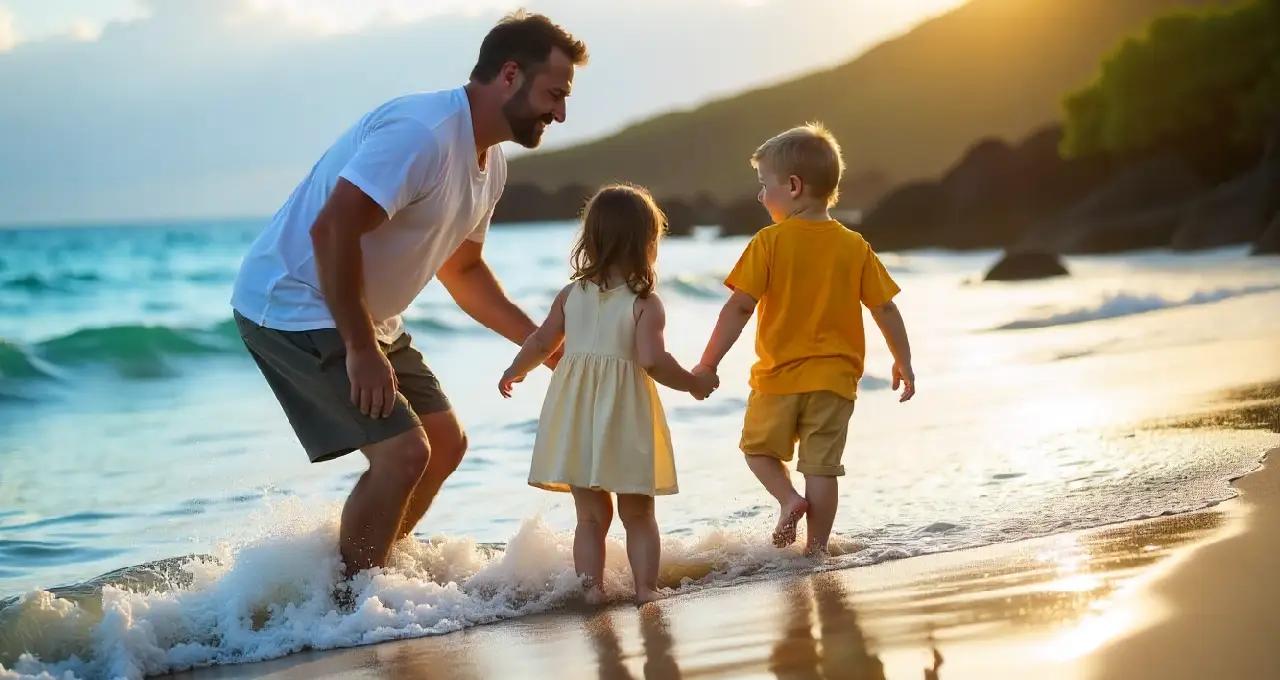
Maui is a top family-friendly Hawaiian island with safe beaches, fun outdoor adventures, wildlife encounters, and cultural activities. Spring (March–May) offers the best weather and smaller crowds. Families can enjoy beaches like Kanapali, Wailea, and Baby Beach, explore Haleakalā National Park, snorkel at Molokini, and participate in hula shows and lei-making classes. Planning, sun protection, and kid-friendly accommodations make trips easier.
Maui attracts more than 2.5 million visitors a year, and many are families looking for fun, safe places for their kids to go. The island is known as one of Hawaii's most family-friendly places, with activities for kids of all ages, from toddlers to teens.
Families can have fun on Maui's beaches, where they can surf, snorkel, and build sandcastles. There are also natural attractions, such as Haleakalā Crater. The island has excellent places to stay, a wide range of restaurants, and plenty of family-friendly activity providers.
Maui's famous waters, sea life, waterfalls, and water sports make it a great place for kids to play. The island has a mix of outdoor activities, cultural experiences, and safety features.
Most family-friendly beaches have lifeguards, calm waters protected by reefs, and nearby places to eat and use the bathroom.
Maui is a small island, and you can visit many places in one day without driving too far, which is important when you have kids with you.
Families can still experience Maui's authentic culture. On Sundays, there are free hula performances at Lahaina Cannery Mall, and there are also free lei-making classes at different places.
Families can enjoy Maui without spending a lot of money on things other than airfare and lodging because there are a lot of free outdoor activities.
Before diving into the main topic, you should know that, beyond Hawaii's offerings, families sometimes consider comparing Caribbean family destinations when planning tropical vacations, no matter what you like: Hawaiian culture, Maui's focus on water sports, or something else in the Caribbean—each region has its own benefits.
| Season | Months | Pros | Cons | Kid-Friendly Rating |
|---|---|---|---|---|
| Summer | June-August | School break timing, warm water (84°F) | Crowded, higher prices, afternoon rain | ★★★★☆ |
| Winter | December-February | Mild weather (80°F), whale watching | Holiday crowds, highest prices | ★★★★☆ |
| Spring | March-May | Fewer crowds, warm weather, good conditions | School schedule misalignment | ★★★★★ |
| Fall | September-November | Lowest prices, mild weather, some rain | Late summer heat, hurricane season risk | ★★★☆☆ |
Spring (March to May) is the best time for families because the weather is nice, the crowds are manageable, and the temperatures are comfortable.
Summer is when school is out, but it's also when the crowds are at their biggest and prices are at their highest. Winter (December to February) is a good time for holiday travelers and whale watching. Fall has budget benefits but possible weather problems.
While Maui shines for family travel, families sometimes explore family-friendly Mexican destination alternatives offering warm climates, cultural experiences, and water activities at lower price points, particularly during off-peak Hawaiian seasons.
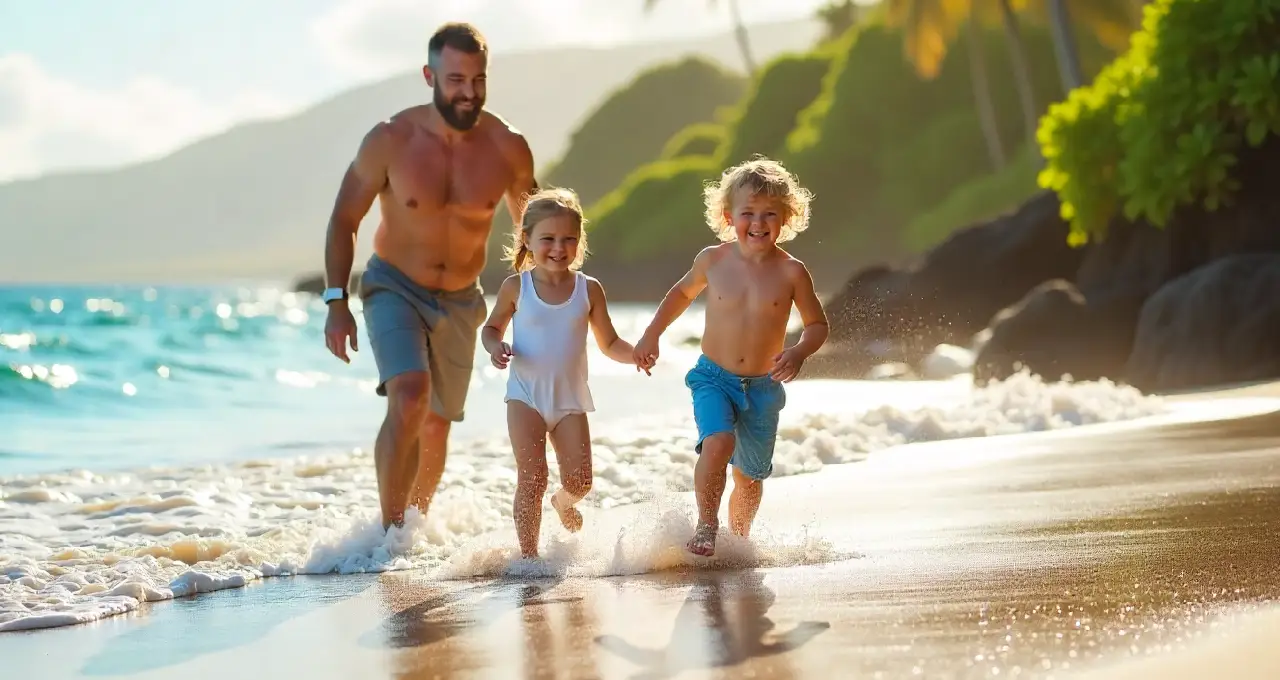
Now, let’s review some beaches that are safe for spending time with family and your kids.
Kanapali Beach is on the west coast of Maui. It has clear waters, soft sand, and a lot of water activities. You can see sea turtles while snorkeling.
There are lifeguards, shade structures, and restaurants nearby so that families can spend the whole day at the beach. Another best option is:
If you want to explore other islands in Hawaii, you can check our list of the six beautiful islands in Hawaii.
The most essential thing in a vacation for kids and younger adults is the enjoyable activities that make their trip special. Some of those activities lead to the following:
Boogie boarding, body surfing, and sandcastle competitions are some of the beach activities that keep younger kids busy for hours at a low cost.
The Maui Ocean Center Aquarium is one of the best in the world. It has live coral reefs, sea turtles, sharks, and jellyfish. You can learn by doing in interactive touch tanks and shallow pools. It usually takes 2 to 3 hours to fully explore the facility.
When you snorkel at beaches like Kanapali, you can see whole pods of sea turtles. Several tour companies focus on responsible turtle watching, which means watching them in a way that is respectful and helps protect the ocean.
Additional note: Humpback whale watching (December-May) introduces children to the ocean's largest visitors, with excellent sighting rates during Hawaii's peak whale-watching season.
Water activities are a must on a beach vacation. If you're planning a trip to Hawaii, it's essential to prepare for a fantastic experience.
| Activity | Age Range | Duration | Difficulty | Cost |
|---|---|---|---|---|
| Boogie Boarding | 4+ | Unlimited | Easy | $15-25 rental |
| Snorkeling | 5+ | 2-4 hours | Easy-Moderate | $30-60 per child |
| Surfing Lessons | 6+ | 1.5-2 hours | Moderate | $60-100 |
| Kayaking | 6+ | 1-3 hours | Moderate | $50-90 |
| Stand-Up Paddleboard | 7+ | 1-2 hours | Moderate | $40-70 |
| Boat Tours | All ages | 2-4 hours | Easy | $50-120 per child |
| Scuba Certification | 10+ | 3-4 days | Challenging | $400-600 |
Boogie boarding doesn't require much skill, so it's easy for kids to learn and can keep them busy for hours. Rental boards cost $15 to $25 a day, and beaches like Wailea have calm waves that are good for beginners.
Snorkeling lets kids learn about marine ecosystems by exploring them in a natural way. With the right gear and instruction, kids as young as 5 can go snorkeling on a protected beach instead of on a boat.
Kids ages 6 and up can learn to surf, which includes how to balance, stay safe in the ocean, and control their boards. Teachers are experts in teaching kids, and soft boards lower the risk of injury.
Hula shows use dance and stories to show off Hawaiian culture. Every Sunday at Lahaina Cannery Mall and on the fourth Sunday of every month at Queen Ka'ahumanu Center, there are free hula shows. Many resorts offer shows at night with dinner packages that include both food and entertainment.
Kids learn about Hawaiian culture and how to make traditional garlands by weaving flowers into them in lei-making classes. Most classes cost $15 to $25 per person and last 30 to 45 minutes.
Ukulele lessons teach kids Hawaiian music in a fun and interactive way. Depending on how interested you are, classes can last anywhere from 30 minutes to several days.
Hawaiian cultural centers offer immersive activities like traditional cooking demonstrations, craft workshops for artisans, and storytelling sessions that help kids connect with their island heritage.
Museum visits to the Maui Historical Society show off native Hawaiian history, the growth of plantations, and cultural artifacts. Interactive exhibits get kids involved by letting them touch things and do fun things.
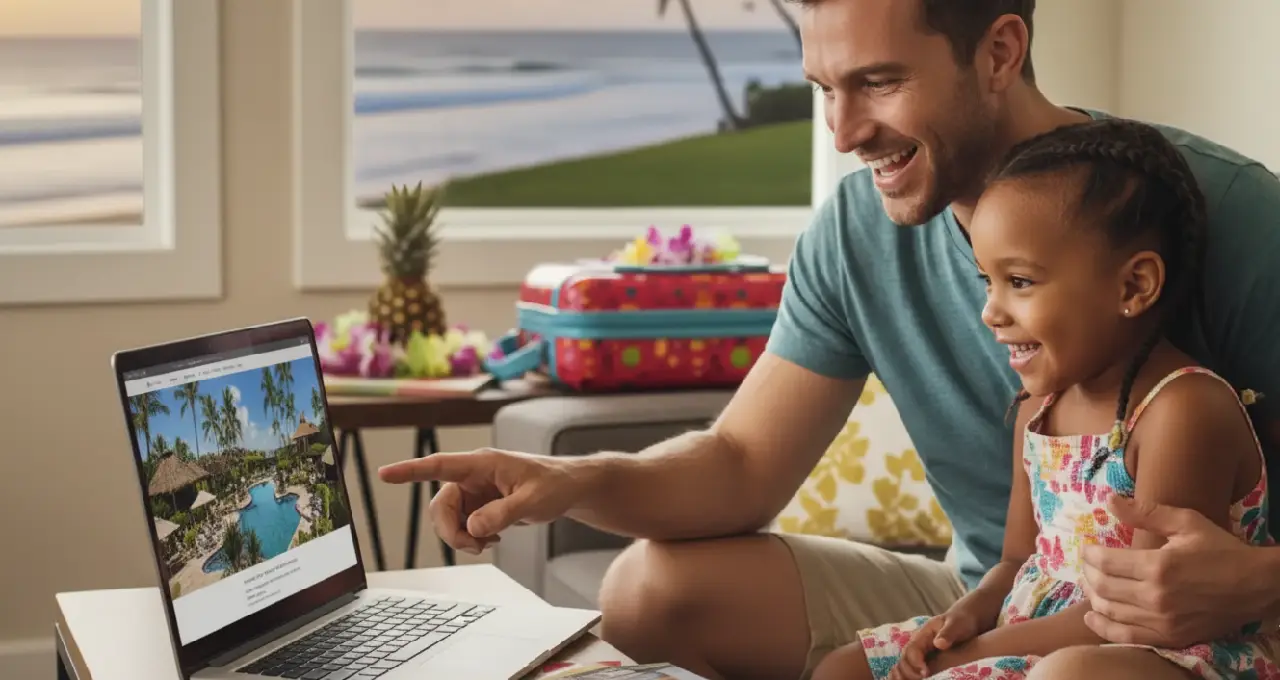
Here is the list of tips that can make your trips in professional planning.
Planning Your Maui Family Trip: Book affordable flights for families well in advance during school breaks to secure reasonable pricing.
When selecting family-friendly accommodations , prioritize properties offering kids' clubs, beach access, or full kitchens supporting family meal preparation.
Maui offers amazing family experiences that combine beautiful scenery, authentic culture, and a wide range of activities. Maui has something for everyone, which makes it especially good for kids.
Maui has a wide range of activities for kids, including water sports, outdoor adventures, wildlife encounters, and cultural learning. These activities are all located in manageable geographic areas.
The island's infrastructure, safety record, and family-friendly services make it easy for parents to plan complicated trips while keeping their kids busy and entertained the whole time. In the morning or evening hours, when there may not be enough staff on hand to watch over them.

FAQ