

Blog post
Loading post...
Loading post...
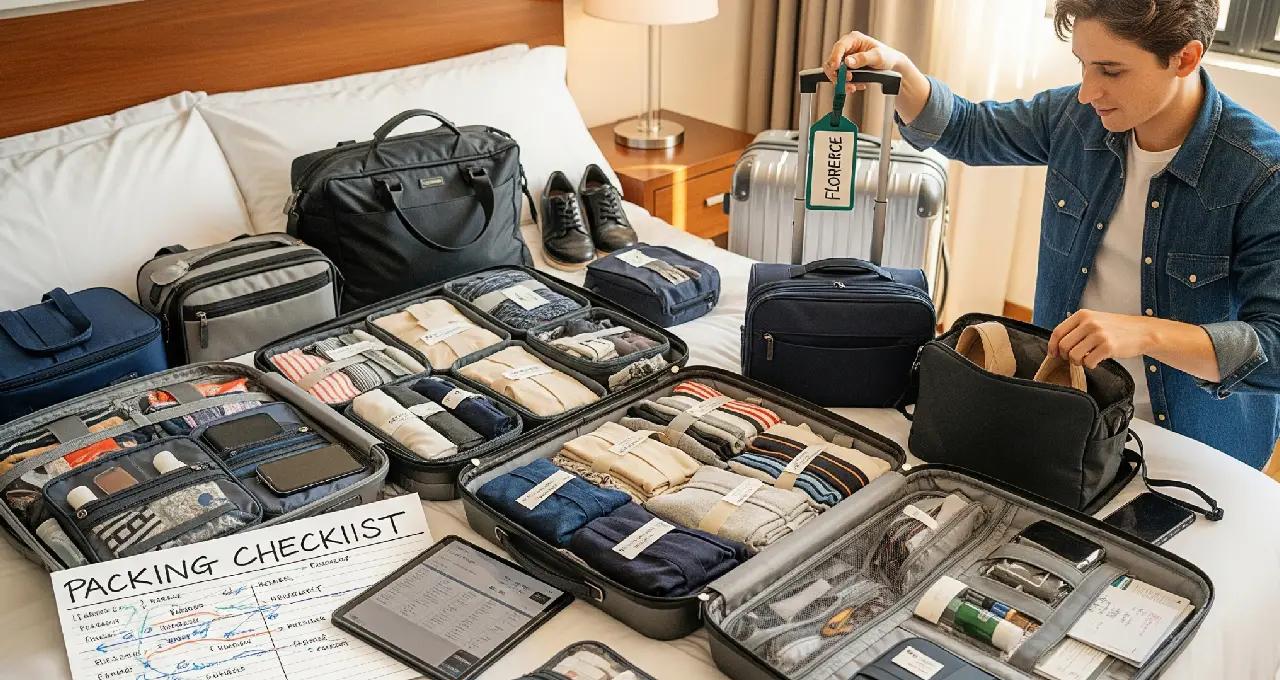
To avoid airline baggage fees on multi-city trips, plan your itinerary with a hub strategy, use trains or shipping when possible, and choose hotels with loyalty perks like free laundry or luggage storage. Packing a versatile capsule wardrobe and using smart booking tools help you stay within carry-on limits, while timing flights with hotel check-ins and navigating budget airline policies can save you hundreds and keep your journey stress-free.
Picture this: You’re planning an incredible European adventure through London, Paris, and Rome. You’ve scored cheap flights and booked great hotels — then suddenly, baggage fees hit like a brick wall. Suddenly, your budget-friendly trip just got $200 more expensive.
Sound familiar? You're not alone. In the U.S. alone, airlines collected over $7.1 billion in baggage fees last year. But here's the good news: savvy travelers have figured out how to avoid airline baggage fees while still enjoying incredible multi-city adventures.
Whether you're a family planning your dream vacation, a digital nomad exploring new cities, or a business traveler juggling multiple destinations, this guide will show you exactly how to keep those baggage fees in your pocket where they belong.
The secret isn't just about packing light (though that helps). It's about planning your entire trip as one innovative system where your flights, hotels, and packing all work together to save you money.
Before you even think about booking that first hotel, map out your entire journey. This isn’t just basic travel planning it’s your first line of defense against baggage fees.
Here's what works: Create a simple timeline showing where you'll be and when. Include how long you're staying in each city and how you're getting there. This bird's-eye view reveals money-saving opportunities you'd otherwise miss.
For example, you might consider taking a train between two cities instead of flying. No baggage fees on trains! Or perhaps you'll stay longer in one place, making it worth shipping a box of clothes ahead instead of dragging everything with you.
Savvy travelers use what I call the "hub strategy." Instead of city-hopping in a straight line, pick a central location as your base. Store extra stuff there while you take short trips to nearby places with just a small bag. This works amazingly well in Europe or when exploring multiple cities in California. When planning your accommodation strategy, use an AI travel planner for hotel bookings to compare options and find the best deals across various destinations.
Spending just 30 minutes planning your baggage strategy upfront can save you hundreds of dollars. Travelers who do this save an average of $180 per trip compared to those who figure it out as they go. That's dinner for two at a nice restaurant!
Create a simple list tracking each flight, baggage allowances, hotel times, and your plans. Trust me, you'll refer to this constantly and thank yourself later.

Here's something most people don't realize: hotel loyalty programs are goldmines for avoiding baggage fees. I'm not talking about just earning points (though that's nice too).
Major hotel chains operate worldwide, and their perks directly help you pack less. Many offer free laundry service for members. Imagine packing clothes for just one week instead of three! Some hotels store your luggage before check-in or after check-out at no charge. That's huge when you want to explore a city without dragging bags around.
Here’s the real power move: book multiple stays within the same hotel family. You'll often get better rates, guaranteed rooms, free upgrades, and consistent service. No nasty surprises like "Sorry, we don't have towels today." we don't have towels today." For seamless hotel reservations across multiple cities, consider using platforms that specialize in multi-destination bookings.
Here's a pro trick: Consider staying at different hotels from the same chain in one city. Sounds weird, right? But sometimes booking two shorter stays costs less than one extended stay, while you keep all the member benefits. For example, when looking for the best hotels in Paris, you might find better deals splitting your week between two properties of the same brand rather than one extended stay.
Hotel loyalty members save about 23% on rooms and get an extra $127 worth of free stuff per trip when you add up free laundry, luggage storage, and room upgrades, which often covers what you'd pay in baggage fees.
This is where the magic happens. Learning to avoid airline baggage fees starts with completely rethinking how you pack.
Forget packing different outfits for every day. Instead, choose pieces that mix and match like building blocks. One blazer works for business meetings and nice dinners. One pair of dark jeans goes from sightseeing to casual evenings out.
The secret is in fabric choices: Merino wool is incredible - it doesn't smell, doesn't wrinkle, and one dress can go from day to night with different accessories. Synthetic blends dry fast and pack tiny.
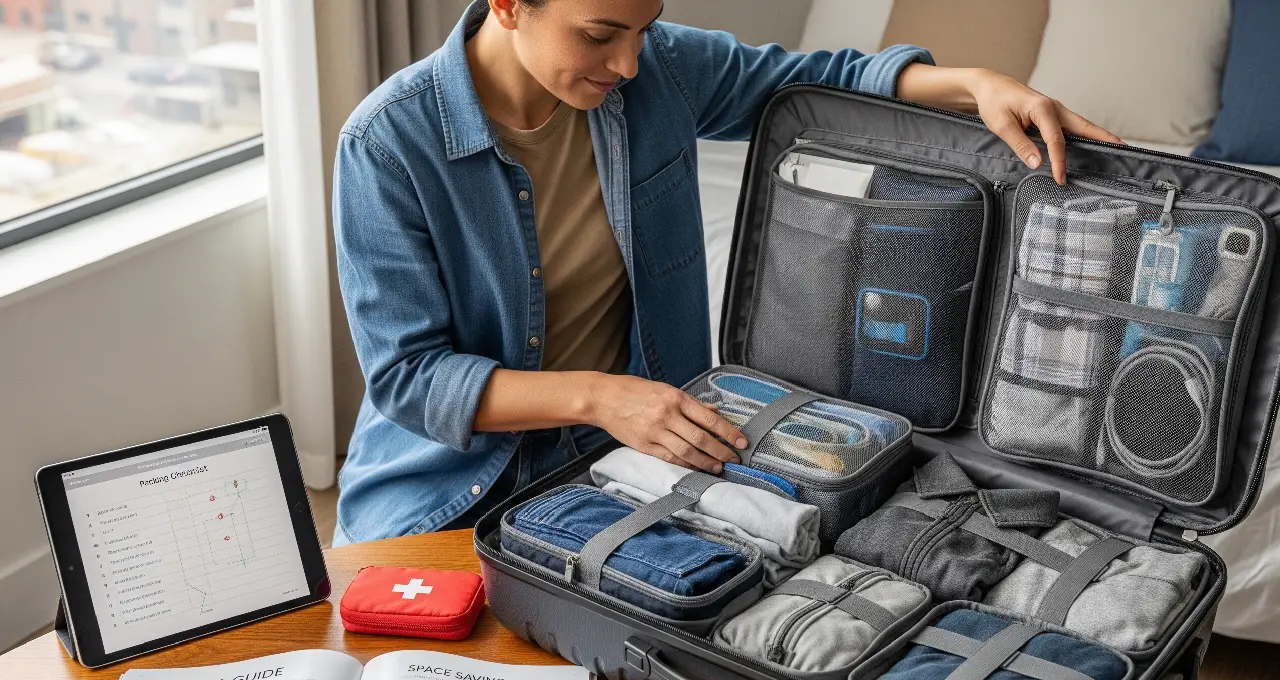
Your carry-on is your best friend. Get one that maximizes airline size limits without going over weight restrictions. Most domestic flights allow 22" x 14" x 9", but international flights can be different. Check every airline for your specific trip.
Look for bags with innovative organization. External pockets keep essentials handy. Compression zippers squeeze more in. Built-in laundry compartments keep dirty clothes separate.
Heaviest items go in your carry-on since most airlines don't weigh these strictly. Wear your bulkiest shoes and heaviest jacket on travel days. Every ounce counts.
Roll clothes instead of folding - you'll fit 30% more. Use packing cubes to stay organized and compress everything down. Pack one week's worth of clothes max, then plan to do laundry.
Digital nomads swear by multi-purpose items. A sarong can be used as a blanket, towel, or cover-up. Pants that work for hiking and business meetings. Shoes are comfortable enough for walking tours but pleasant sufficient for restaurants.
The right booking platform makes avoiding baggage fees so much easier. Modern tools don't just find cheap hotels - they help you build innovative travel systems.
Look for platforms that let you filter by luggage requirements. Some automatically calculate total trip costs, including baggage fees, so you see the real price upfront—no nasty surprises at checkout.
Mobile apps are game-changers for complex trips. Real-time updates about flight delays or hotel availability help you make quick decisions about checking bags or adjusting plans.

The best platforms connect your hotel and flight bookings. When your flight gets delayed, you might automatically get a late check-in at your hotel. When you land early, the system might find you immediate room access, avoiding luggage storage fees.
Package deals for multi-city travelers often include perks like free flight changes, extended hotel checkout, or complimentary luggage storage that individual bookings don't offer. Modern flight booking platforms integrate these services to help you optimize your entire journey, not just particular segments.
Advanced platforms learn your preferences and make clever suggestions. If you always book airport hotels, they might show properties with free shuttles, saving transport costs and reducing the temptation to pack extra convenience items.
Coordination between your flights and hotels creates opportunities to avoid both baggage fees and extra charges. Most hotels want you to check in around 3 PM and out by 11 AM, but savvy travelers negotiate better terms.
Flying out early? Arrange late checkout so you can shower, pack properly, and head straight to the airport. Many hotels offer this for free for direct bookings or members. No overnight storage fees, no rushing.
Landing late? Confirm you can get into your room immediately. Tired travelers make expensive decisions like checking bags just to avoid carrying them around.
Sometimes hotels offer discounted day-use rates. You get room access, storage, and amenities at no additional cost. Perfect for business travelers with early meetings after red-eye flights, or families with kids who need rest between long travel days.
Crossing time zones? Plan for jet lag recovery and pack accordingly. Travelers expecting to need extra rest pack fewer activity clothes and focus on comfort essentials, reducing luggage volume.

Keep notes about which hotels offered flexibility, which charged fees, and which surprised you with benefits. This information becomes gold for repeat destinations.
Budget airlines revolutionized travel affordability, but their fee structures need careful navigation. These carriers offer rock-bottom base fares while charging for everything else - including baggage fees that can exceed traditional airlines if you're not careful.
Budget airlines often charge for ANY checked luggage, with fees from $25 to $100+ per flight. However, their carry-on policies sometimes allow bigger personal items than traditional carriers. That's your opportunity.
Spending a little extra for priority boarding ensures you get overhead bin space for your carry-on. It often costs less than checking a bag, and you get peace of mind knowing your stuff stays with you.
Sometimes buying a package with seat selection, priority boarding, and extra baggage costs less than purchasing these separately. Always do the math for your specific trip.
A budget airline might have the cheapest ticket, but if their baggage fees cost more than the difference versus a traditional carrier with free bags, you're not saving money. Factor in extras like ground transport - budget airlines sometimes use airports further from city centers.
Booking directly with budget airlines gives you more options for adding or changing baggage. Third-party sites often can't modify these services, forcing you to pay higher airport rates.

Experienced travelers use clever strategies to minimize or eliminate baggage fees across complex trips. These techniques require planning but deliver serious savings.
Earning airline elite status often includes free checked bags. For frequent travelers, the cost of reaching status through strategic flights can be less than paying baggage fees all year. Plus, you get other perks like upgrades and priority boarding.
Premium travel credit cards often include baggage fee waivers that extend to travel companions. The annual fee might seem high, but if you're a family that flies regularly, it pays for itself quickly while providing other travel benefits.
For more extended stays, shipping luggage ahead to your hotel can cost less than airline fees. Many hotels accept packages for incoming guests, and specialty shipping services cater to travelers with competitive rates and insurance. This works great for trips needing formal wear or special equipment.
Book your longest flight segment with an airline that includes generous baggage allowances, then use that capacity for your whole trip. Short regional flights can be carry-on only while your checked bags wait at the leading destination.
Some airlines reduce baggage fees during slow periods. Winter European trips or summer domestic travel might offer baggage promotions that make timing your trip worthwhile.
For international travel, two lighter bags often cost less than one heavy bag with overweight fees. Pack two 40-pound bags instead of one 70-pound bag. Plus, you get more packing organization.

Multi-city planning has lots of moving parts that can turn expensive fast. Here are the costly mistakes to avoid:
Variety seems fun, but you lose loyalty benefits, discounted pricing, and consistent service. The financial advantages of sticking with one chain usually outweigh the excitement of different experiences.
Saving 10-15% with non-refundable rates can backfire when you need to change plans. those planning multiple stops trips are complex - weather, health, and work situations happen. Flexible bookings provide valuable insurance.
Rushing to airports in unfamiliar cities leads to expensive last-minute solutions. Budget extra time for language barriers, traffic patterns, and navigation challenges. Missing flights costs more than any hotel savings.
Many cities offer cheap luggage storage near tourist areas. Paying airline fees for early bag check when local storage costs a fraction shows poor planning.
Conferences, festivals, and sports events inflate hotel prices dramatically—research destination calendars before finalizing dates to avoid premium event pricing.
Apps fail, internet disappears. Print confirmations, save offline maps, and keep physical copies of important documents. International travel, in particular, requires backup plans for critical information.

The travel industry keeps evolving fast. Understanding what's coming helps you stay ahead of the game.
Artificial intelligence in travel planning is becoming incredibly sophisticated. These systems learn your preferences, predict price changes, and suggest optimizations human planners miss. Embrace AI tools that help you make better decisions faster.
Dynamic pricing is spreading from airlines to hotels. Real-time adjustments based on demand, weather, events, and your browsing history require agile strategies. Tools that monitor price changes and alert you to optimal booking windows are becoming essential.
Environmental considerations drive new industry standards. Airlines offer carbon offset programs, hotels implement green policies, and travelers choose options matching their values. Often, these efficient operations are also economically beneficial.
Mobile check-in, digital room keys, app-based services, and automated luggage handling reduce human contact while providing faster, more convenient experiences. Embrace these technologies for preferential treatment and extra benefits.
Enhanced change policies, extended loyalty benefits, and modified service standards create new strategic opportunities. Understanding which flexibility features are permanent versus temporary helps inform long-term planning.
Mastering baggage fee avoidance while enjoying seamless multi-city travel isn't just about saving money - though that's pretty great. It's about creating travel experiences that flow smoothly, reduce stress, and let you focus on what matters: unforgettable memories.
The strategies in this guide work together like pieces of a puzzle. Smart packing reduces fees, strategic hotel choices provide services that eliminate packing needs, and careful timing prevents expensive last-minute scrambles.
As travel continues evolving, these fundamental principles stay constant: plan ahead, think strategically, and understand how different travel pieces connect. Travelers who embrace these concepts consistently get better results while spending less and stressing less. The best part? Skills you develop for multi-city adventures apply to all your future travels. Business trips, family vacations, spontaneous getaways - they all benefit from this foundation.

Most importantly, when your logistics flow smoothly and costs stay controlled, you can focus on the experiences that make travel meaningful: discovering new cultures, making personal connections, and creating memories that last forever.
Start small. Test these approaches on shorter trips before tackling complex multi-city adventures. Each journey teaches you something new and builds your confidence for managing sophisticated travel arrangements.
The world becomes more accessible when you master modern travel systems. With proper planning and strategic thinking, multi-city adventures transform from stressful budget-busters into genuinely enjoyable experiences that exceed your expectations while staying within budget.
Ready to start saving on your next trip? Your baggage-fee-free adventure awaits!

FAQ