

Top 5 Christmas Markets in Germany
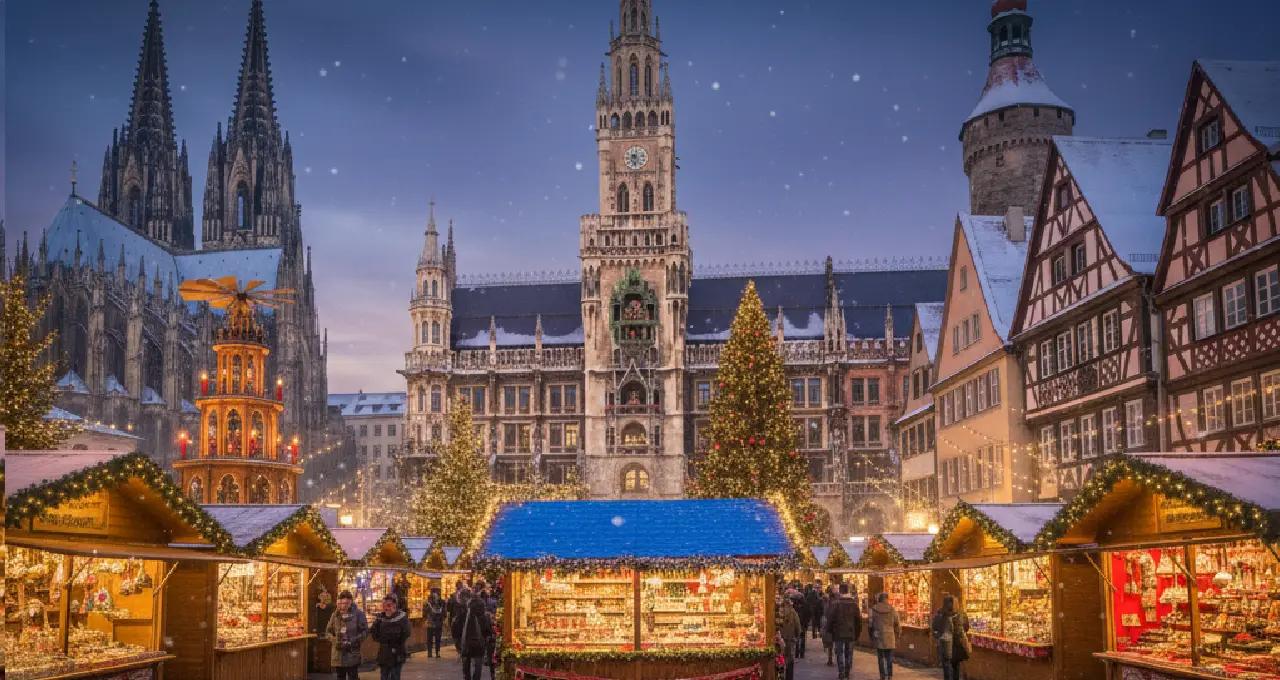
Germany's top Christmas markets include Nuremberg's Christkindlesmarkt (most famous), Dresden's Striezelmarkt (oldest, dating to 1434), Cologne's Cathedral Market (stunning UNESCO backdrop), Munich's Marienplatz (authentic Bavarian charm), and Berlin's Gendarmenmarkt (elegant, cultural atmosphere). Markets run from late November to December 23-24, attracting over 60 million visitors annually with traditional crafts, food, and festive atmosphere. Budget €100-200/night for accommodation and €20-30 per person for market experiences.
Christmas markets in Germany are way more than just fun winter activities; they've been around for centuries and turn cities into dream winter wonderlands.
The markets are open from late November to December 23rd, which is a month-long celebration that brings people together. You can't find a place like this anywhere else in the world, with its twinkling lights, holiday music, and smell of roasted chestnuts and cinnamon.
With the above description, German Christmas markets are one of the most popular holiday destinations in Europe, attracting over 60 million visitors annually.
German Christmas Markets Dates 2026:
If you're already planning your trip to Germany in 2026, Advent begins on Sunday, November 29. This date is commonly used by many towns and cities each year. As a result, Christmas markets that open on the first Monday before Advent are likely to start on Monday, November 23, 2026.
If you're interested in Rhine River cruises during the Advent season, these trips usually include stops at various Christmas markets along the way. Some of these special cruises are expected to begin as early as November 20, 2026.
PlaninGo is your go-to travel expert, making your holiday plans easier and more enjoyable. We take care of all the details of your trip so you can focus on having a great time!
Top 5 Christmas Markets in Germany You Can't Miss
Let us show you the best Christmas markets that every traveler should know about. Each one has something special to offer, from medieval settings to contemporary takes on traditional themes.
1. Nuremberg – Christkindlesmarkt
The Classic German Christmas Market
Best Date Range: End of November to December 24
Best Time to Visit:
- Evenings (5–8 PM): magical lights, live carols.
- Weekday mornings: fewer crowds, easier to shop.
The market in Nuremberg is probably the most famous in the world. The famous red-and-white stalls add to the magic of the medieval square setting.
What makes it special: The Christkind, a young woman chosen to represent the holiday spirit, officially opens the market.
Delicious things to try: The famous Nuremberg Rostbratwurst (small grilled sausages) and the original Nuremberg Lebkuchen (gingerbread) are two things you should look for.
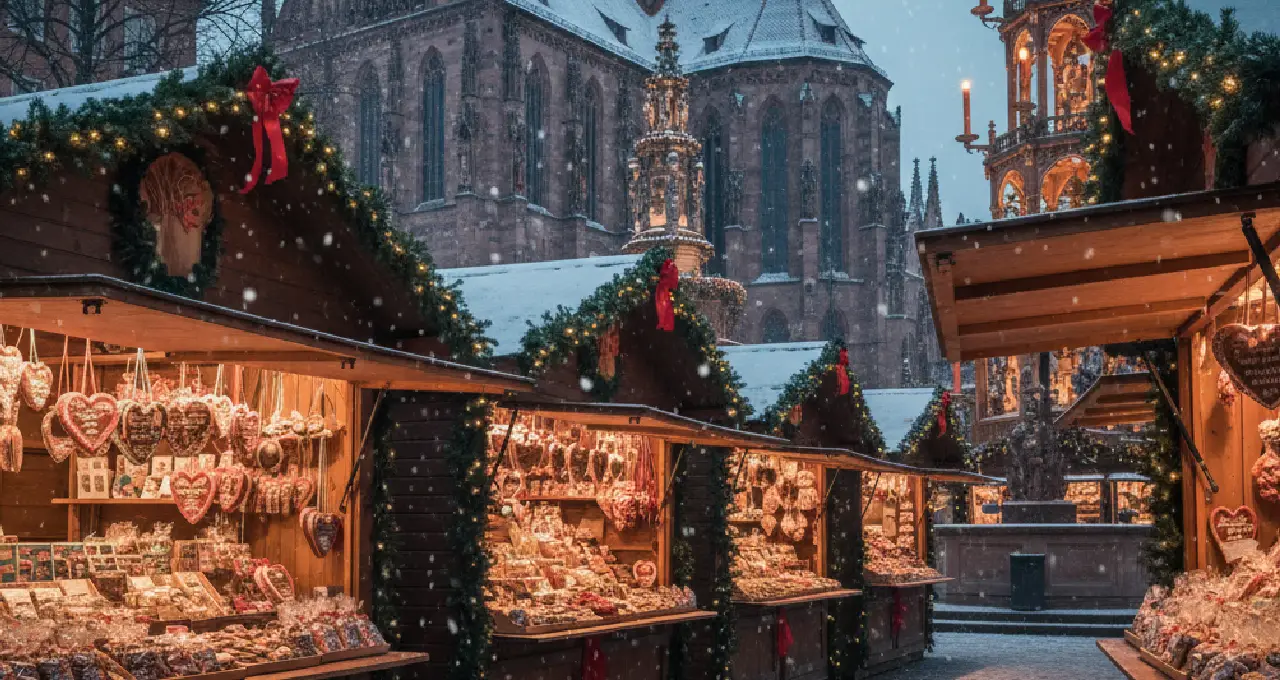
The best souvenirs are real, handmade wooden ornaments and "Rauschgoldengel" (angels made of gold foil).
2. Dresden – Striezelmarkt
Germany's Oldest Tradition
Best Date Range: End of November to December 24
Best Time to Visit:
- Morning on Stollen Festival day, see the famous fruitcake parade.
- In the evenings, enjoy the Christmas pyramid illuminated.
The Dresden Striezelmarkt is a must-see if you love history. It is the oldest Christmas market in Germany, dating back to 1434.
Why it's different: It honors the city's famous fruit bread, Dresdner Christstollen. Every year, the Stollen Festival includes a big ceremonial loaf that is paraded around the city.
Visual Highlights: The giant Christmas pyramid and the traditional wooden crafts are two things you won't want to miss in this Saxon area.
3. Cologne – Cathedral Christmas Market
The Most Stunning Backdrop
Best Date Range: End of November to December 23
Best Time to Visit:
- Afternoons (2–5 PM): Family-friendly, less crowded.
- Evenings (6–9 PM): The Cathedral lights up, making it a fantastic photo spot.
This market, which is right in front of the massive Cologne Cathedral, a UNESCO World Heritage site, is one of the most romantic and visually stunning places to visit.
The Cathedral is huge, and it's really magical to visit at night, especially when colorful lights highlight its beautiful Gothic design.
The Vibe: This is a busy place to enjoy traditional foods, drinks, and buy unique, handmade crafts. There are more than 150 stalls around a big Christmas tree.
4. Munich – Marienplatz Market
Authentic Bavarian Charm
Best Date Range: End of November to December 24
Best Time to Visit:
- 4–7 PM: listen to live carols from the Town Hall balcony.
- Weekday mornings: less crowded, great for browsing.
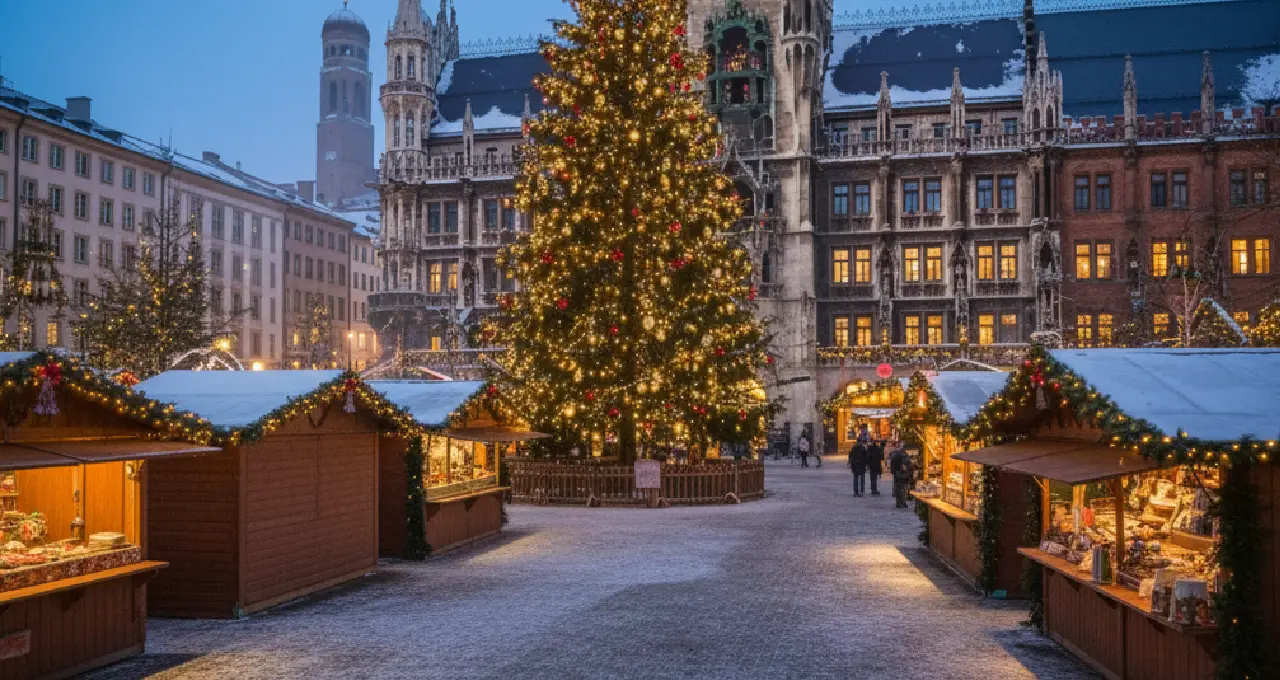
This market is located in the heart of Munich and exudes a cozy, traditional Southern German Christmas atmosphere.
What makes it special: The market is particularly passionate about Bavarian customs that are unique to this region. People can listen to Alpine music and see the detailed nativity scenes (Krippenmarkt) that are set up nearby.
The Vibe: It feels real and cozy, serving traditional Southern German food and drinks that are popular in the area.
5. Berlin – Gendarmenmarkt
A Blend of Art and Modernity
Best Date Range: End of November to December 31 (lasts longer than most!)
Best Time to Visit:
- Late afternoon to night (5–10 PM): lights, food stalls, and performances.
- Weekdays: avoid the weekend rush.
While Berlin has many smaller markets, the Gendarmenmarkt stands out for its elegant, cultural, and slightly more upscale atmosphere, nestled between the German and French Cathedrals.
Why it's unique: It's more than just shopping; it's a social event. The market features high-quality art and distinctive crafts, as well as evening concerts and performances in heated tents.
Food Focus: This market boasts some of the finest international street food, making it an excellent choice for food enthusiasts seeking options beyond the typical bratwurst and gingerbread.
Note:
Germany has an excellent transportation system that makes it easy and enjoyable to visit multiple Christmas markets.
Book your affordable flights to Germany before visiting the Christmas market to secure the best deals. Then you can look at the festive stalls and traditional crafts. If you travel in late November or early December, you may be able to find better airfare deals than during the busiest holiday weeks.
Budgeting for Your Christmas Market Trip
German Christmas markets can fit a wide range of budgets, but knowing how much things usually cost can help you plan.
During the Christmas market season, more accommodations are available, especially in popular locations. If you want to stay in a mid-range hotel in a city like Munich, Cologne, or Nuremberg, you should spend between 100 and 200 euros per night. You can get better prices and availability by booking 2–3 months in advance.
In this way, PlaninGo can help you book the best hotels in Germany that suit your needs while helping you travel on a Budget.
The important point:
- Items at markets usually cost between 3 and 7 euros. For 20 to 30 euros per person, visitors can enjoy a comprehensive market experience, complete with numerous food tastings and hot drinks.
- There is a wide range of handmade goods. Small decorations and ornaments cost between €5 and €10. More complex crafts, such as large nutcrackers or detailed nativity scenes, can cost hundreds of euros. These prices are fair because the craftsmanship is so good. These are heirloom-quality items, not cheap souvenirs.
Most markets still want cash, but this is slowly changing. If you bring 50 to 100 euros in cash per person, you won't miss out on any opportunities. You can easily find ATMs in market areas, but they tend to be busy during peak times.
Final words:
German Christmas markets are more than just places to buy gifts; they are windows into traditions that have been around for hundreds of years, where craftsmanship, community, and celebration come together. Germany offers real Christmas experiences that can't be found anywhere else, whether you like Nuremberg's historical grandeur, Dresden's cultural heritage, Cologne's Gothic beauty, or the cozy charm of smaller markets.
The magic isn't just in the twinkling lights and holiday decorations; it's also in the connections you make with traditions that have been passed down through the years. When you buy a hand-carved ornament from a family that has been crafting them for hundreds of years, or eat lebkuchen made with recipes from the Middle Ages, you are participating in living history.
Get ready for your trip to the German Christmas market today. Look into markets that match your interests, book your flight early, and get ready for experiences that you'll remember for the rest of your life.

Planingo
FAQ