

Top 9 Beaches in Florida for relaxing and vaction
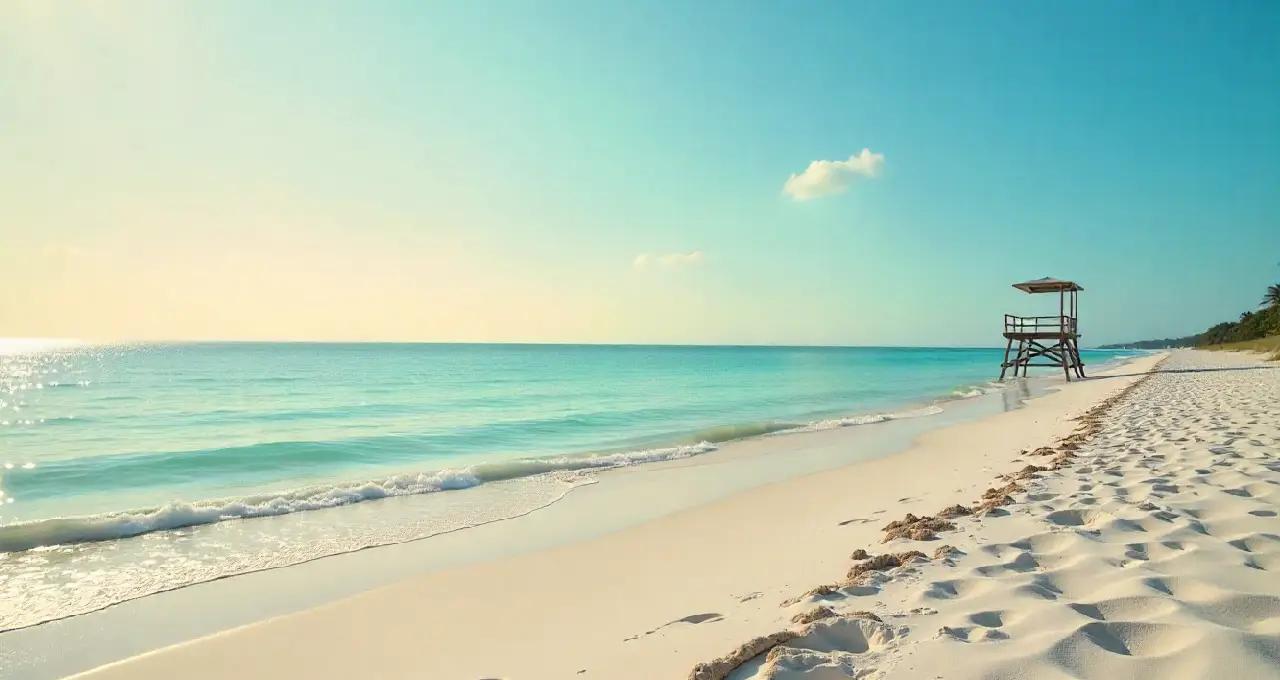
Florida's 663 miles of coastline feature two distinct shores: the Gulf Coast (Clearwater, Siesta Key, Caladesi Island, Anna Maria Island, Fort Myers) with calm, warm waters and white quartz sand perfect for families, and the Atlantic Coast (South Beach, St. Augustine, Cocoa Beach, Delray Beach) with bigger waves ideal for surfing. Visit from December to April for the best weather, or from May to November for fewer crowds. Each beach offers a unique experience, ranging from pristine natural beauty to vibrant nightlife, with year-round access and excellent facilities.
Imagine putting your toes in soft, white sand while turquoise waves gently wash over your feet. Every year, millions of people get to live this dream on Florida's beaches. The state experienced a record-breaking 143 million visitors, with many of them visiting coastal areas, which contributed to the state reaching this historic tourism milestone.
Florida's 663 miles of coastline have something special for everyone, whether you're going on a family vacation, a romantic getaway, or a trip by yourself as a solo traveler.
Florida's beaches offer much more than just sun and sand. Each beach has its own special features. The Gulf Coast is famous for its calm waters, making it a perfect spot for families to relax and enjoy time together. In contrast, the Atlantic Coast has bigger waves, which are great for more experienced surfers. Each beach offers its own special type of sand, different sea animals, and stunning views, allowing visitors to experience a variety of fun and unique adventures.
Understanding Florida's Two Distinct Coastlines
It's essential to understand what distinguishes Florida's Gulf Coast from its Atlantic Coast before exploring specific beach suggestions.
Gulf Coast vs. Atlantic Coast: What Sets Them Apart?
The beaches on the Gulf of Mexico side and the Atlantic Ocean side are very different from each other. The Gulf Coast usually has calmer, warmer waters and waves that aren't as strong. The sand here is mainly composed of quartz crystals, which remain cool even in the hot Florida sun. It is also finer and whiter. Due to this, Gulf beaches are ideal for families with young children and individuals who enjoy swimming in calm, shallow water.
The beaches along the Atlantic Coast are very lively and full of activity. The ocean here has larger waves, which are ideal for surfers and bodyboarders who enjoy riding the waves year-round. The sand varies in color from light brown to golden, and in some spots, such as Daytona Beach and Ormond Beach, you may notice a beautiful orange hue from tiny crushed shells. The Atlantic waters have stronger currents and more visible tides, which add to the excitement for those who love to explore.

Climate Considerations for Beach Planning
Florida's subtropical climate lets you go to the beach all year long, but the weather changes from season to season. The hottest months of the year are June through August, when temperatures can reach the high 80s to low 90s Fahrenheit. There are also thunderstorms in the afternoon. The Gulf Coast typically experiences calmer weather in the summer, whereas the Atlantic has waves that change more frequently.
The winter months are cooler, with temperatures in the 60s and 70s. There is less humidity and fewer people.
Many people visit this area during this time of year to enjoy beach walks and other outdoor activities, free from the intense heat. The official hurricane season is from June to November, but September and October have historically been the busiest months.
Top Gulf Coast Beaches in Florida
The Gulf Coast represents Florida's western shoreline, stretching from the Panhandle down through the Tampa Bay area and continuing south to the Keys. These beaches consistently rank among America's finest.
Clearwater Beach: The Crown Jewel of Tampa Bay
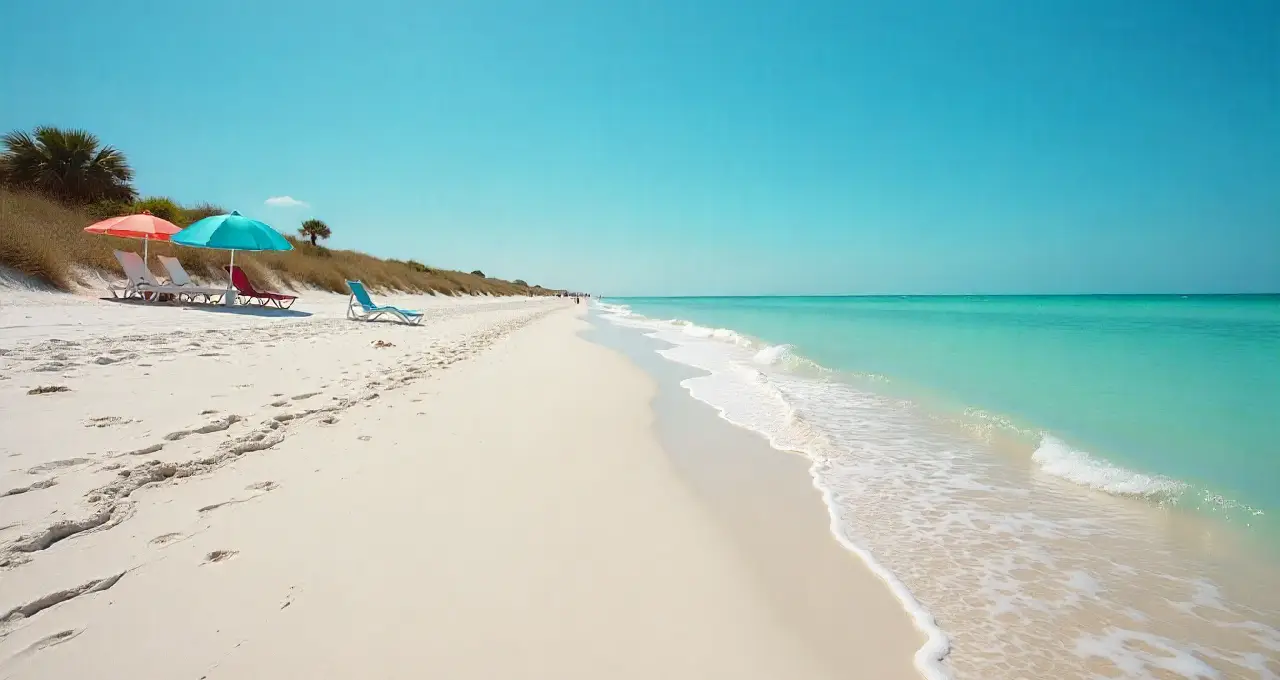
Clearwater Beach is approximately 25 miles west of Tampa and is renowned as one of Florida's premier destinations. Recent rankings put it at the top of the list of beaches in the South, and visitors quickly see why. The beach has soft, sugary sand that stays cool underfoot even in the hottest part of the day.
The water here is calm and shallow, extending quite a ways from the shore before it becomes much deeper. This makes it the perfect place for families with kids who are learning to swim. The Beach Walk promenade runs along the shore and has a separate area for cyclists, rollerbladers, and pedestrians. Pier 60 is the beach's social center, where street performers, crafts vendors, and live music come together every night to celebrate the sunset.
Clearwater Beach has great amenities. You can find public restrooms, outdoor showers, and beach equipment rentals. There are many restaurants within walking distance. It's a good idea to arrive early or take public transportation during the peak season, as parking can be hard to find.
Siesta Key Beach: Home to the World's Finest Sand
Siesta Key Beach, located near Sarasota, is renowned for its distinctive sand. The sand is made up of 99 percent pure quartz crystals, which makes it feel like powder between your toes. This gives the sand its bright white color and keeps it cool, even in hot weather.
The beach frequently appears on lists of the country's best beaches and attracts visitors seeking this unique sand. The shoreline gradually slopes into the Gulf, creating shallow areas that are great for wading and swimming. Visitors can enjoy volleyball courts, a playground, picnic areas equipped with grills, and ample parking.
The beach tends to get crowded during peak hours, especially on weekends and holidays. However, there is enough space along the shoreline for everyone to find a good spot. Visiting early in the morning provides a peaceful experience, with chances to see dolphins feeding just beyond the waves.
Caladesi Island State Park: Pristine Natural Beauty
Caladesi Island State Park, located near Dunedin, is one of Florida's few untouched barrier islands. It was honored as the fourth-best beach in the country on the 2024 Top 10 Best Beaches in America list, thanks to its clean environment and beautiful natural ecosystems.
You can get to the island by taking a ride on a private boat or a ferry from nearby Honeymoon Island State Park. This limited access helps preserve the island's natural beauty. The beach boasts three miles of soft, white sand surrounded by charming dunes and coastal forests.
While visiting, you can walk along a nature trail that goes through the island's interior, where you can spot various wildlife, including ospreys, great blue herons, and possibly even bald eagles.
Kayakers also enjoy paddling through the winding channels lined with mangroves. There are no stores or buildings in the park that ruin the island's natural beauty. There are only basic facilities like restrooms, showers, and a snack bar.
Anna Maria Island: Charming Old Florida Atmosphere
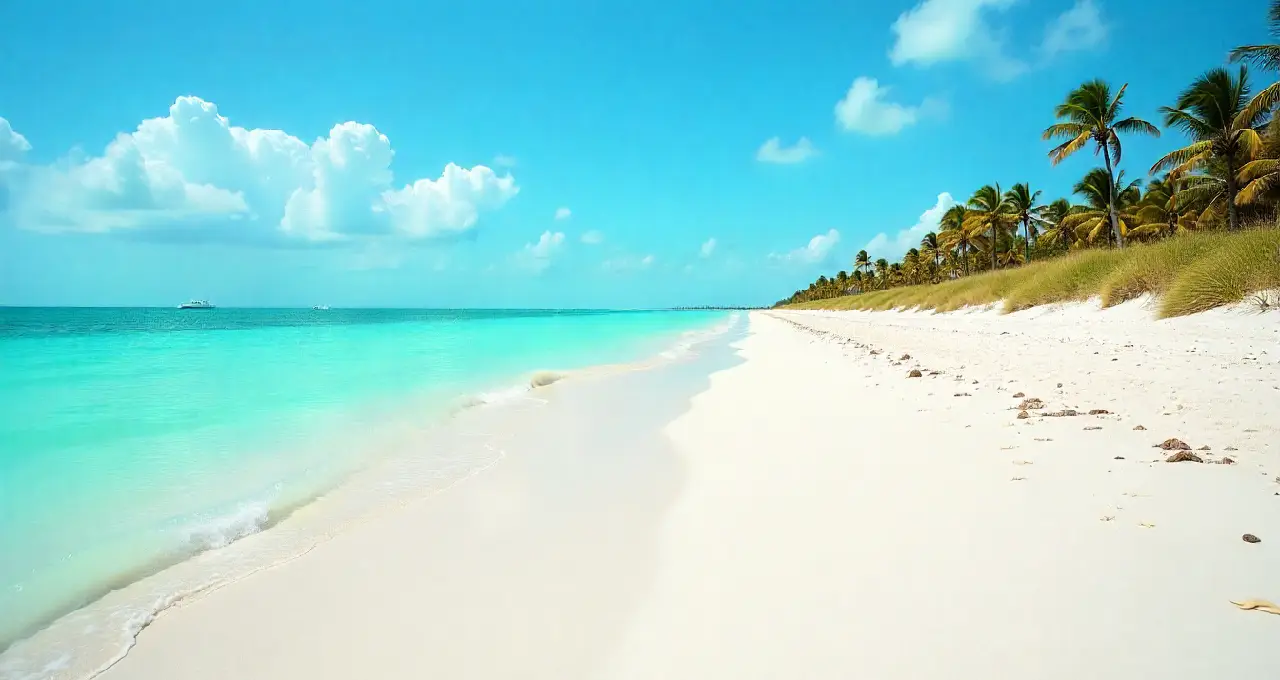
Anna Maria Island, located at the northern end of Sarasota County, offers a pleasant alternative to more touristy beach areas. The island has a laid-back, old Florida vibe, characterized by its low-rise buildings and a focus on preserving the natural environment.
Bean Point Beach is at the northern tip of the island and is a great place to get away from the crowds. Not as many people come to this area as to the central beaches, so it's a great place for people who want to be alone and relax. There are a lot of fish and other sea creatures in the water around it, which makes it a great place for snorkelers and paddleboarders.
The island has three towns: Anna Maria, Holmes Beach, and Bradenton Beach. The island is seven miles long. Every area has its own personality, but they all work together to keep the island's laid-back vibe. You can explore without a car because a free trolley service connects the communities.
Fort Myers Beach: Family-Friendly Gulf Paradise
Fort Myers Beach is a great place to visit, offering both stunning natural scenery and excellent amenities for visitors. The beach is seven miles long, so there is plenty of room even when it is busy. The town center is bustling with restaurants, shops, and activities, but the north and south ends are quieter.
Families with kids will enjoy this beach because the water is shallow and calm, making it safe for swimming. Beachcombing is particularly enjoyable here, as the Gulf Coast is renowned for its abundant shell deposits. The nearby Estero Bay Aquatic Preserve protects a diverse array of crucial marine life. It also offers eco-tours and opportunities to see wildlife.
Premier Atlantic Coast Beaches
Florida's Atlantic Coast stretches from the Georgia border to Miami and the Keys. These beaches are different from those on the Gulf Coast in some ways.
South Beach (Miami Beach): A famous Art Deco playground
South Beach is Florida's most famous beach destination. The famous Art Deco Historic District in the area has beautiful pastel-colored buildings from the 1930s and 1940s. The beach has golden sand and waves that roll in from the Atlantic.
People from all over the world come to this beach. The mood is lively and social, and people-watching is almost as popular as swimming. Ocean Drive runs along the coast and is lined with outdoor cafes where people can eat and watch the beach scene.
The area has world-class shopping, dining, and cultural attractions. You can have fun indoors at museums, galleries, and theaters. South Beach is renowned for its lively nightlife, but families also enjoy visiting during the day when the atmosphere is more relaxed.
St. Augustine Beach: A Charming Historic Coastline
St. Augustine is a great place to relax on the beach and be close to the oldest European settlement in the United States that is still inhabited. The beach is wide and sandy, providing ample space for sunbathing, building sandcastles, and playing beach sports. The waves in the Atlantic here are neither too big nor too small, allowing you to swim or surf, depending on the weather.
The St. Augustine Beach Pier goes 400 feet into the ocean, where you can fish and see beautiful sunrises. The pier is also a great place to watch surfers ride the waves. There are numerous public entrances and parking lots that make it easy to access the beach.
The historic city of St. Augustine is only a few minutes away. It features Spanish colonial architecture, museums, restaurants, and attractions that date back over 450 years. The mix of beach and cultural activities makes this area especially appealing to tourists seeking a diverse range of experiences during their vacation.
Cocoa Beach: Surfing Capital of the East Coast
Cocoa Beach is renowned as Florida's surfing capital due to its consistent waves throughout the year, which are ideal for riding. Kelly Slater, a professional surfer who grew up in the area, made the beach famous. The Cocoa Beach Pier is the center of social life, with shops, restaurants, and great places to watch the waves.
Cocoa Beach is an ideal destination for swimming, fishing, beachcombing, and surfing. The Kennedy Space Center is close by and makes for an enjoyable day trip. Visitors can learn about America's space program and see real rockets and spacecraft on display.
The beach town has a laid-back, friendly vibe. Some hotels are affordable, while others are expensive. There is also a range of restaurants, from casual beachside cafes to fancy seafood places. The water in this area is cooler than on the Gulf Coast, especially in the winter.

Delray Beach: Award-Winning Community Beach
Delray Beach has been named an "All-America City" on multiple occasions due to its strong sense of community and high quality of life. The beach has clean, golden sand and waves that are usually not too strong. Lifeguards are on duty at the beach during the day, and it features excellent facilities, including restrooms, showers, and picnic areas.
Atlantic Avenue, the town's main street, terminates at the beach and features a diverse range of restaurants, art galleries, boutiques, and entertainment options. The beach access and walkable downtown shopping make this an excellent destination for a vacation.
Tennis fans love that Delray Beach is known as a tennis hub, boasting major tournaments and numerous public and private courts. Countless galleries, theaters, and outdoor festivals also take place throughout the year.
Sustainable Tourism Choices
Select accommodations with environmental certifications or strong sustainability programs. Many Florida hotels now implement water conservation, energy efficiency, and waste reduction initiatives. PlaninGo helps you discover eco-friendly accommodation options that align with your values while providing comfortable stays near your favorite beaches.
Planning Your Florida Beach Vacation
Understanding key planning factors helps ensure your beach trip meets your expectations and stays within budget.
Best Times to Visit Florida Beaches
Visitors can enjoy Florida's beaches all year round, but the time of year you go makes a big difference. From December to April, when people from the north come to escape the cold, it is the busiest time of year. These months attract the most people and have the highest prices, but they also offer the best weather, with minimal rainfall and pleasant temperatures.
During the summer school breaks, from June to August, many families from the US visit. The weather is at its hottest and most humid, with thunderstorms occurring frequently in the afternoon. However, summer also boasts the warmest water and the longest days, which means more time spent at the beach.
The shoulder seasons of fall and spring are often the best times to find deals. From September to November and from April to May, the weather is pleasant, there are fewer people, and hotel prices are lower. Hurricane season is at its worst in September and October, but statistically, storms are still unlikely to hit any one place.
Using PlaninGo to book your flights and accommodations during shoulder seasons can help you save significantly while still enjoying beautiful beach weather. PlaninGo's flexible search options make it easy to find the best deals during these off-peak periods.
Essential Beach Safety Tips
Florida's beaches are generally safe, but being aware of potential dangers can make you safer. Rip currents are the most significant concern for water safety. These strong, narrow streams of moving water can pull swimmers away from the shore. If you get caught in a rip current, swim parallel to the beach until you get out of it, and then swim back to shore.
Jellyfish and stingrays are two types of marine life that sometimes sting people on the beach. You can tell rays to move away by doing the "stingray shuffle," which is sliding your feet instead of stepping. If you are stung by either animal, see a doctor right away if the symptoms are severe or don't improve.
In Florida's hot, subtropical sun, it's essential to protect your skin from the sun's harmful rays. Apply broad-spectrum sunscreen with an SPF of 30 or higher every two hours, especially after swimming or sweating. The sun's UV rays are strongest between 10:00 AM and 4:00 PM, so it's best to stay in the shade during these times.
During Florida's frequent thunderstorms, lightning is a very real danger. When you hear thunder, get inside right away. Wait at least 30 minutes after the last thunderclap before going back outside.
Conclusion: Your Ideal Florida Beach is Waiting for You
Florida has a diverse range of beaches, allowing everyone to find the perfect one for themselves. The Gulf Coast features calm, powdery sands, while the Atlantic Coast boasts energetic waves. No matter what kind of beach you like, Florida will give you memories that will last a lifetime.
Get started on your Florida beach trip now. Research specific beaches that align with your interests, check the weather for the desired time of year, and book your accommodations early to secure the best deals and options. Don't forget to bring reef-safe sunscreen, your sense of adventure, and be ready to make memories that will last a lifetime.
When booking your trip through PlaninGo, consider accommodations within walking distance of beaches to minimize your environmental impact.

Planingo
FAQ