

Blog post
Loading post...
Loading post...
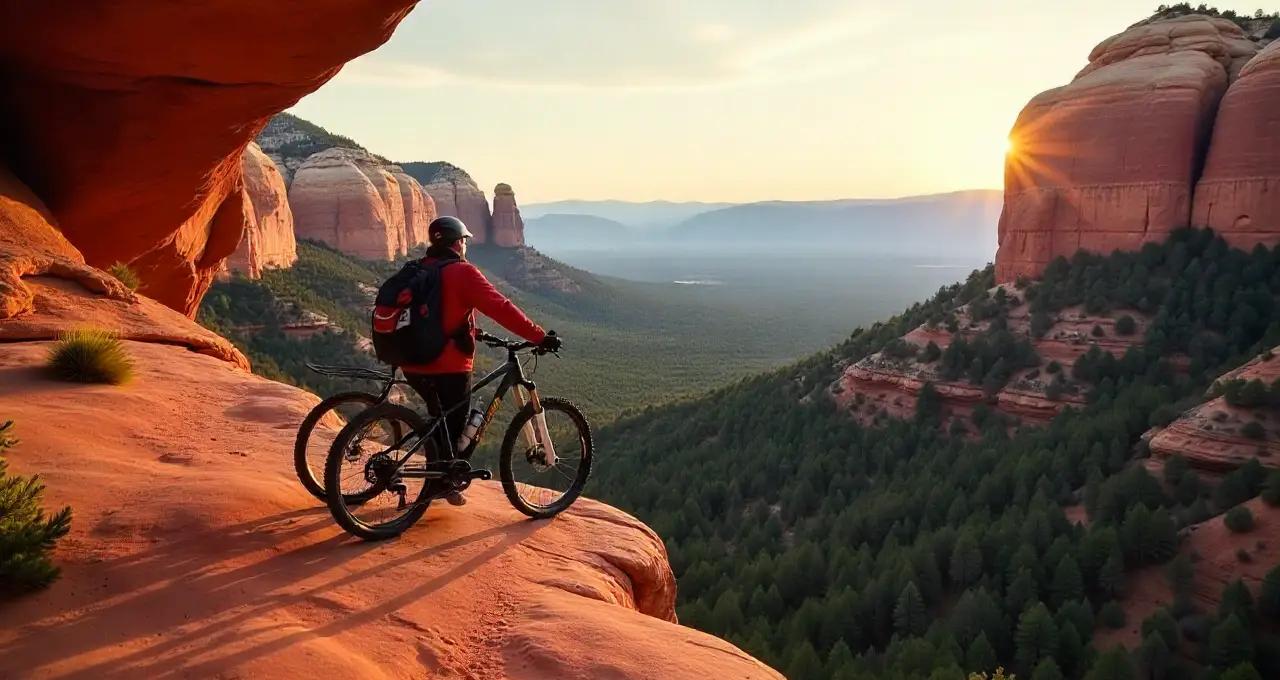
Why Visit: Famous for red rock formations, 400+ miles of trails, a thriving arts scene, and abundant outdoor adventures. Offers hiking, mountain biking, spiritual experiences, scenic drives, and family-friendly activities. Best Time: Spring (March–May) and fall (September–November) for mild weather; summer is hot and monsoon season; winter offers quiet trails and occasional snow. Top Attractions: Cathedral Rock, Devil’s Bridge, Oak Creek Canyon, Slide Rock State Park, Chapel of the Holy Cross, Red Rock Scenic Byway. Unique Experiences: Energy vortex sites, Pink Jeep tours, hot-air balloon rides, stargazing, wellness spas, and local art galleries. Family-Friendly: Wildlife Park Out of Africa, Red Rock State Park Junior Ranger programs, Slide Rock natural water slides.
Sedona is one of the most popular places to visit in the Southwest. It gets more than 3 million visitors each year and is surrounded by beautiful red rock formations. The Sedona Chamber of Commerce says tourism generates about $1 billion in economic benefits for this high-desert town of only 10,000 people. The city is 4,350 feet above sea level, where the Colorado Plateau meets the Sonoran Desert. Before we explore the information, you can check out all the essential details in the reports on Sedona's geology.
The red rocks of Sedona tell a story about the Earth that goes back 300 million years. These unique formations, composed mainly of Schnebly Hill sandstone, create a natural amphitheater visible from almost any angle.
Sedona is one of the best places in the country to go outside and have fun. Oak Creek Canyon has over 400 miles of trails that pass through national forest lands and protected wilderness areas. Sedona is one of the best desert destinations in the country, with a wide range of trails to explore.
It is also a UNESCO Creative City of Gastronomy candidate and has more than 80 art galleries , making it a cultural hotspot. Sedona enjoys about 278 sunny days each year, which is well above the national average of 205. This makes Sedona an ideal place for outdoor activities and adventures for most of the year.
Based on the Sadona net in the United States, the best times to visit are spring (March to May) and fall (September to November), when the weather is mild (65–85°F) and rainfall is light.
In the summer, the heat can be over 95°F, but there are also big monsoon storms that turn desert washes into temporary waterfalls. In the winter, you can be alone and see snow on the red rocks from time to time, but some trails at higher elevations may not be accessible.
You can listen to the fantastic story of Sedona:
| Month | Average High/Low (°F) | Precipitation | Top Activity |
|---|---|---|---|
| January | 56°/31° | 2.3 inches | Red rock hiking with snow-dusted peaks |
| February | 60°/34° | 2.5 inches | Gallery hopping and indoor attractions |
| March | 65°/38° | 2.4 inches | Wildflower viewing begins |
| April | 73°/44° | 1.0 inch | Peak hiking season starts |
| May | 82°/51° | 0.6 inches | Creek swimming and water activities |
| June | 92°/59° | 0.4 inches | Early morning trail adventures |
| July | 95°/66° | 2.5 inches | Oak Creek Canyon cooling |
| August | 92°/65° | 3.0 inches | Monsoon waterfall photography |
| September | 87°/59° | 2.2 inches | Mountain biking season peaks |
| October | 76°/48° | 1.7 inches | Fall foliage viewing |
| November | 63°/37° | 1.8 inches | Scenic drives and overlooks |
| December | 55°/31° | 2.1 inches | Holiday events and festivals |
Phoenix Sky Harbor International Airport is the main airport, located 120 miles south of here. It serves more than 48 million passengers each year. It takes about 2 hours to drive north on Interstate 17 and State Route 179, a beautiful route.
Flagstaff Pulliam Airport is only 30 miles away and offers limited commercial service, but it's easy to reach for people who want to drive less.
Once you get to Sedona, you'll need your own car because public transportation is limited. Uptown (the tourist center), West Sedona (residential and commercial), and the Village of Oak Creek are the three main areas that make up the city's layout.
Ride-sharing services are available in most parts of the area, but they may be harder to find during busy times. There are several companies that offer jeep tours, bike rentals, and shuttle services to popular trailheads. These are good options for people who don't want to drive.
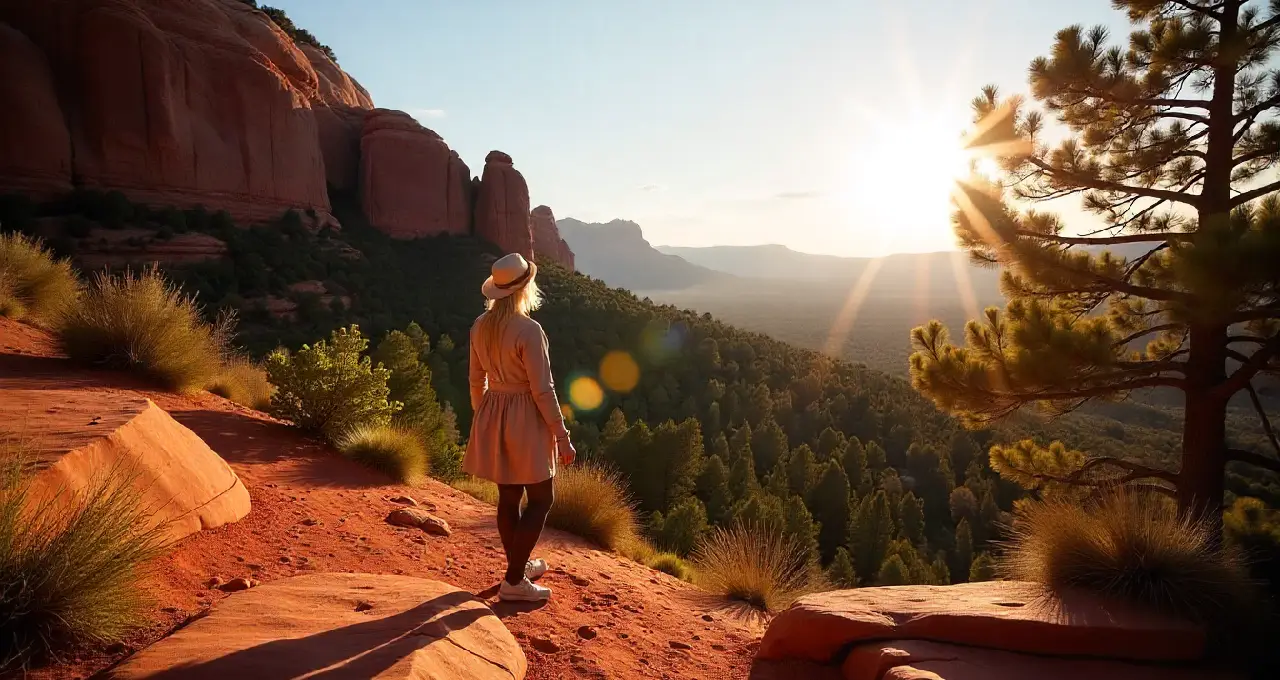
Sedona's Cathedral Rock Trail is the city's most photographed spot. This hike, which gains 740 feet over 1.2 miles, has some steep sections that make it hard to get up. You get 360-degree views of red rock country from the saddle between two spires as a reward.
The largest natural sandstone arch in Arizona. The moderate trail is 4.2 miles long and leads to a formation 54 feet wide. Adventurous visitors can walk across the bridge itself, but they should be careful because there are no railings.
SR 89A is a paved highway that goes down 2,000 feet through one of America's most beautiful gorges for 16 miles. Seven developed swimming areas help people cool off in the summer. Slide Rock State Park has natural water slides carved into the creek.
There are more than 100 miles of marked trails for mountain biking, including the technical Hangover Trail and the flowing Highline Trail system. The slickrock terrain in Sedona requires skill but gives riders one-of-a-kind desert singletrack experiences.
Things to Do in Sedona for Free:
Sedona is an excellent place for families because it has a lot of activities that will keep kids busy while also showing off the area's natural beauty and cultural history. The city's family-friendly infrastructure includes easy-to-access trails, educational programs, and interactive experiences that make learning fun.
Parents will see that Sedona's outdoor classroom offers kids hands-on opportunities to connect with nature, history, and wildlife in ways other attractions can't.
Things to do in Sedona that are good for families
This large wildlife sanctuary spans 104 acres and is home to more than 400 animals from around the world. The park sets itself apart from other zoos by offering immersive experiences instead of just looking at animals.
Children can see animals in habitats that resemble their native ecosystems as they walk through them.
Tiger Splash shows have big cats diving into pools and showing off their swimming skills. These are exciting moments that kids will remember for a long time.
Predator feed encounters are educational events where trained staff discuss how predators hunt, the challenges of conservation, and the importance of apex predators in maintaining ecosystem balance.
Interactive educational programs teach kids about endangered species, how to protect their habitats, and how wildlife parks help protect the environment worldwide. The park's design makes it easy for kids with short attention spans who need to move around and be involved to do so.
For more details and information, you can check the list of the best wildlife safaris outside of Africa, too.
This popular place is where geology makes natural entertainment, and Oak Creek becomes nature's ultimate water park. The main draw of the park is the smooth creek rocks that make natural water slides. These rocks have been polished over thousands of years by flowing water:
Natural water slides carved into bedrock are safe for kids of all ages and swimming abilities to slide down.
Lifeguards watch over families in the cool water during the busiest summer months, typically from Memorial Day to Labor Day.
Toddlers and younger kids who aren't ready for the faster-moving slide sections can use the shallow wading areas.
Kids can look for water bugs, watch fish, and learn about riparian ecosystems in a hands-on way when they explore creeks.
Shaded picnic areas give you a break from the Arizona sun and make it easy for your family to eat between swimming sessions.
The park charges a small fee per car. If you get there early on summer weekends, you can avoid having to wait in line when parking fills up.
Through its fun Junior Ranger program, Red Rock State Park teaches kids how to take care of the environment. This program is for kids ages 5 to 12 and combines learning with adventure:
Activity booklets help kids learn on their own about desert ecology, how to identify native plants, and how to track animals.
Kids learn to spot animal signs like tracks, scat, and feeding evidence through wildlife tracking exercises. This turns every trail into a detective adventure.
Lessons on desert ecology teach how plants and animals change to survive in the high desert, where it gets very hot, there isn't much water, and the seasons change.
Conservation principles teach kids about caring for the environment and how they can help protect natural areas.
Official Junior Ranger badges are given out to kids who finish the program. These badges are a real way to show that they are proud of their work and want to keep protecting nature.
The program usually takes 60 to 90 minutes to complete, and kids can do it at their own pace, making it easy for families with different schedules and energy levels.
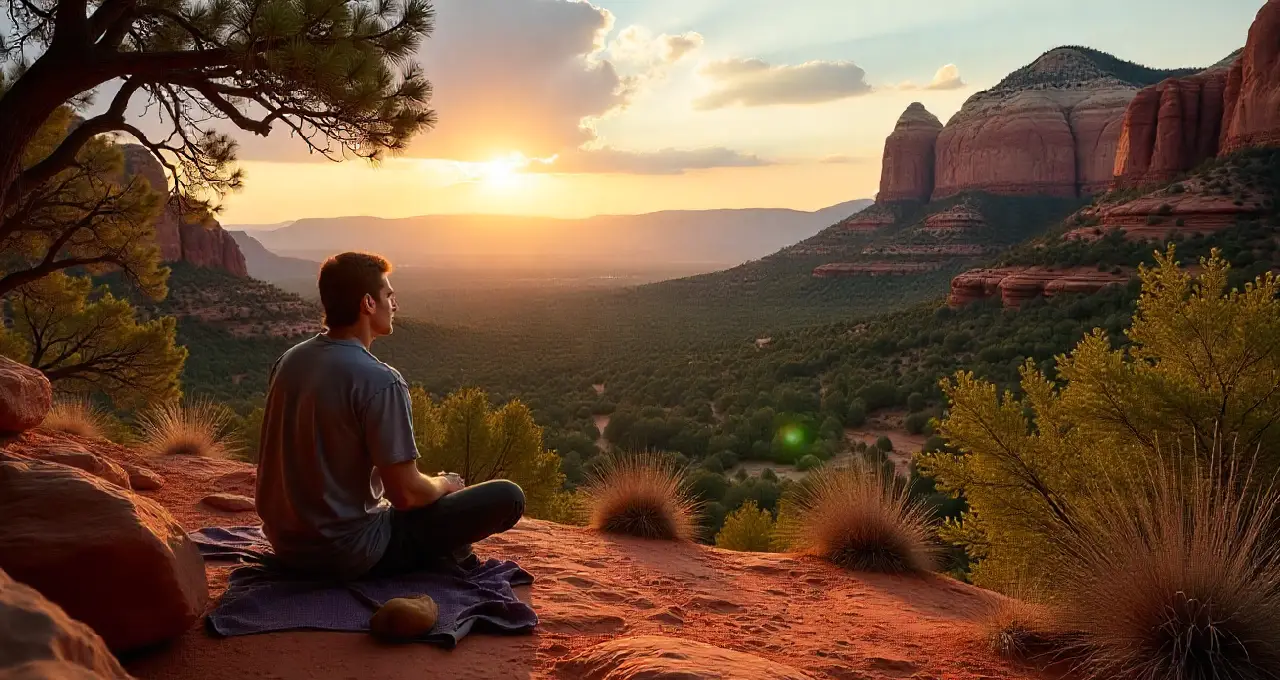
People from all over the world come to Sedona to explore their spirituality and do energy work. They come to find peace, clarity, and a connection to something bigger than themselves. Sedona's peaceful settings and dedicated practitioners make it easy to relax and think about your life, whether you come with a spiritual belief or just out of curiosity.
Sedona is a great place for people who want to get away from the fast pace of modern life, thanks to its beautiful natural scenery and the people who live there, who are dedicated to wellness practices.
Energy Vortex Sites
People from all over the world come to Sedona for its reputation as an energy vortex. There are four main places that many people believe give off concentrated earth energy. There is still debate about whether these sites are scientifically valid, but visitors always say they have profound experiences there:
People say that these places are good for meditation, healing, and spiritual awakening. Many visitors have reported feeling more aware, emotionally free, or physically tingly while they were there.
Wellness and spa services
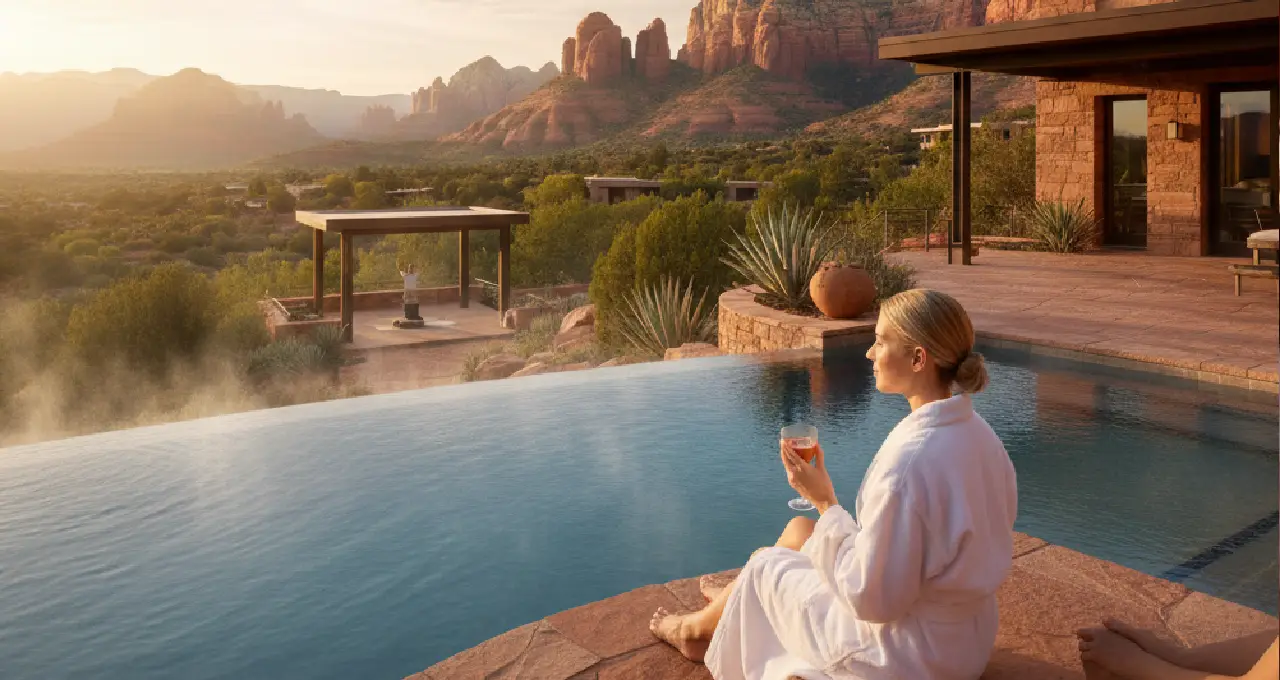
Day spas in Sedona have taken traditional spa services to the next level by adding local elements that link treatments to the area's natural beauty.
Prices for treatments range from $100 for basic services to over $400 for spa packages that last several hours. Many practitioners have outdoor treatment spaces with views of red rocks.
The best views of Sedona's landscape are from high places and winding roads that take you through different ecosystems in a matter of minutes. Photographers can capture the sunrise over eastern formations, the midday depths of the canyon, and the sunset lighting up the western spire. Additionally, Sedona's landscape reveals itself most dramatically from elevated vantage points and winding roads, making it one of the most rewarding scenic road trips across America.
All in one day, because the city is so small. Some of these scenic routes are paved highways safe for any vehicle, while others are rough backcountry roads that require a lot of clearance and confidence from the driver. This means that everyone can find something they like, no matter how much time or comfort they have.
| Section | Highlights & Key Details |
| Sedona’s Landscape Overview | Compact city with diverse ecosystems; allows capturing sunrise, canyon depths, and sunset all in one day. Scenic routes range from easy paved drives to rugged 4WD roads. |
| Schnebly Hill Road | 12 miles, 2,000 ft elevation gain from desert to pine forest Offers panoramic viewpoints Requires a high-clearance vehicle; impassable after rain/snow First 3 miles are suitable for most cars Historic main road to Flagstaff Seasonal closures (summer monsoons, winter snow) |
| Red Rock Loop Road | - 7-mile paved loop with Cathedral Rock views - Ideal for golden hour photography - Foregrounds: junipers, wildflowers, rocks - Access to Buddha Beach (reflection photos) - Connects easily to Highway 179 at both ends |
| Upper Red Rock Loop | - Quieter, less-touristed area - Access to Soldier Pass, Seven Sacred Pools, Devil’s Kitchen Sinkhole - Great for geology lovers - Paved but narrow; limited pullouts - Leads to wilderness trails (Secret Canyon, Bear Mountain) |
| Art, Culture & Shopping Overview | Sedona has one of the highest gallery concentrations in the U.S. — blending Southwestern tradition with modern creativity. Art, jewelry, sculpture, and photography thrive here. |
| Gallery Scene & Collections | - 80+ galleries across Uptown & Tlaquepaque - Features Southwestern landscapes, sculpture, Native jewelry, abstract works, fine art photography - Walkable districts along Highway 89A |
| Tlaquepaque Arts & Shopping Village | - 40 shops/eateries in a Mexican-style courtyard village - Features tiles, fountains, carved doors, art, jewelry, décor - Dining from cafes to fine dining - Hosts year-round festivals & art events - Opens daily (most at 10:00 AM) |
| Sedona Arts Center | - Nonprofit art hub offering classes & rotating exhibits - Features local/regional artists - Outdoor sculpture garden - Free admission; class fees vary - Regular workshops & community events |
| First Friday Art Walks | - Monthly evening event (5–8 PM) - Meet artists, view new exhibits - Music, food, and festive atmosphere - Shuttle and walkable routes between galleries |
Sedona is a great place to start exploring some of Northern Arizona's most amazing places because it is in the middle of everything. There are a lot of great things to do nearby, whether you like seeing amazing natural wonders, visiting historic towns, or exploring ancient cultural sites. You can do them all in one day or stay overnight.
Sedona's food scene is as diverse as its tourist attractions, with more than 100 restaurants, from casual cafes to fancy ones. Elote Cafe is a local favorite for creative Mexican food, Mariposa Latin Inspired Grill is a great place to eat at sunset with great views, and ChocolaTree is a great place to get organic vegetarian food. Some craft breweries make small-batch beers that use plants from the desert.
There are many types of places to stay in the area, so every traveler can find the perfect place that fits their needs and budget. The Enchantment Resort, which is tucked away in the beautiful
A little bit of planning goes a long way before you go out to see Sedona's beautiful landscapes. Knowing what to pack and how to find your way around the trails will make your trip go smoothly, be fun, and be safe, despite the unpredictable weather, rough terrain, and safety issues that come with being in the desert.
| Item | Details & Tips |
|---|---|
| Clothing | Dress in layers to handle temperature changes; mornings can be cool even when afternoons reach 90°F. |
| Footwear | Wear sturdy hiking boots with ankle support suitable for rocky terrain. |
| Hydration | Bring 3–4 liters of water per person for long hikes; include electrolyte supplements. |
| Sun Protection | Use SPF 50+ sunscreen and wide-brimmed hats to protect against high-altitude UV exposure. |
| Camera Gear | Secure camera gear with straps to prevent it from falling during climbing or scrambling sections. |
| Safety Topic | Details & Tips |
|---|---|
| Lightning | Common during monsoon season (July–September); descend immediately if storms approach. |
| Flash Floods | It can occur in slot canyons even when skies are clear upstream; remain alert. |
| Trail Use | Stay on designated trails to avoid erosion and protect fragile desert vegetation. |
| Leave No Trace | Pack out all trash and follow environmental principles. |
| Respect Boundaries | Observe private property and sacred sites. |
| Communication | Cell coverage is limited in remote areas; inform someone of your hiking plans. |
| Wildlife | Maintain a safe distance from wildlife, such as rattlesnakes, especially in spring and fall. |

FAQ