

Blog post
Loading post...
Loading post...
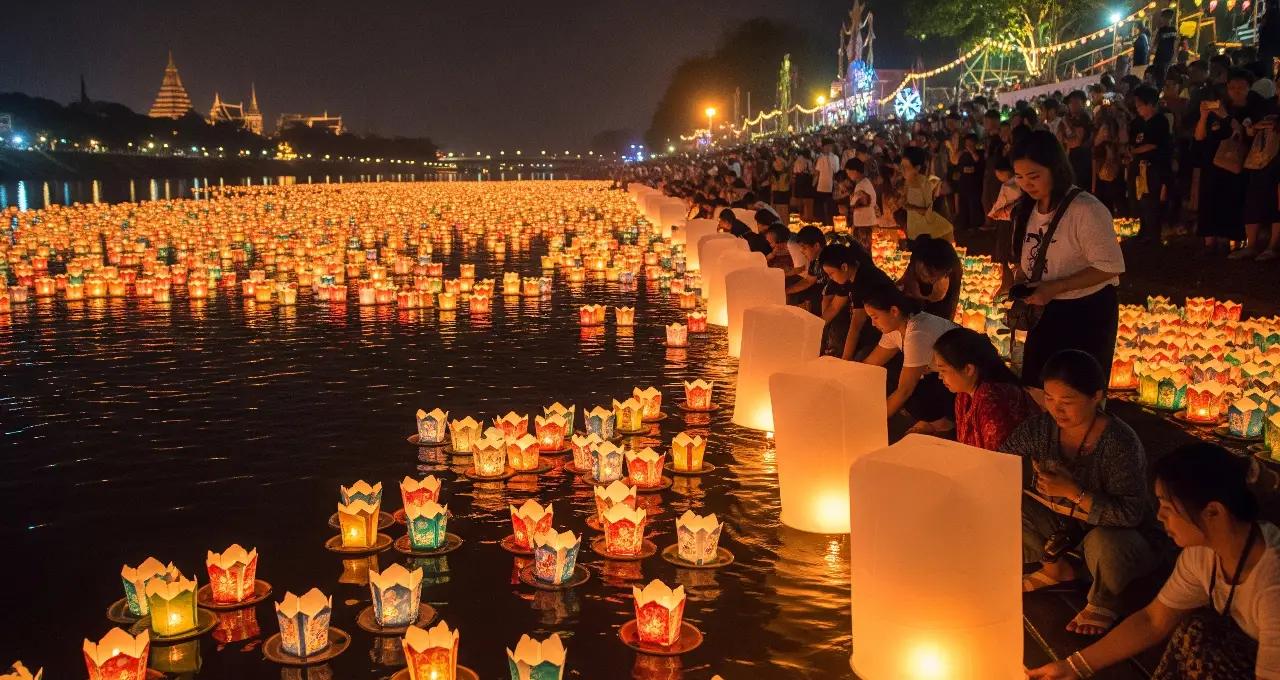
The Yi Peng Lantern Festival in Chiang Mai is a breathtaking blend of spirituality and culture. Every November, thousands of glowing lanterns rise into the sky, symbolizing renewal, hope, and the release of negativity. Travelers can join temple ceremonies, float krathongs, and experience centuries-old Lanna traditions.
Every November, the night sky above Chiang Mai, Thailand, transforms into a glowing canvas as thousands of lanterns rise, carrying hopes and prayers into the heavens. Known as the Yi Peng Lantern Festival, this breathtaking event draws over 100,000 visitors annually to Northern Thailand, blending spiritual depth with cultural vibrancy. For travelers seeking a meaningful experience, Yi Peng offers a unique opportunity to connect with ancient traditions while reflecting on personal aspirations. But what makes this festival more than just a visual spectacle? Let’s explore the spiritual essence and cultural significance of the Floating Lantern Festival in Chiang Mai, delving into its rituals, history, and emotional impact.
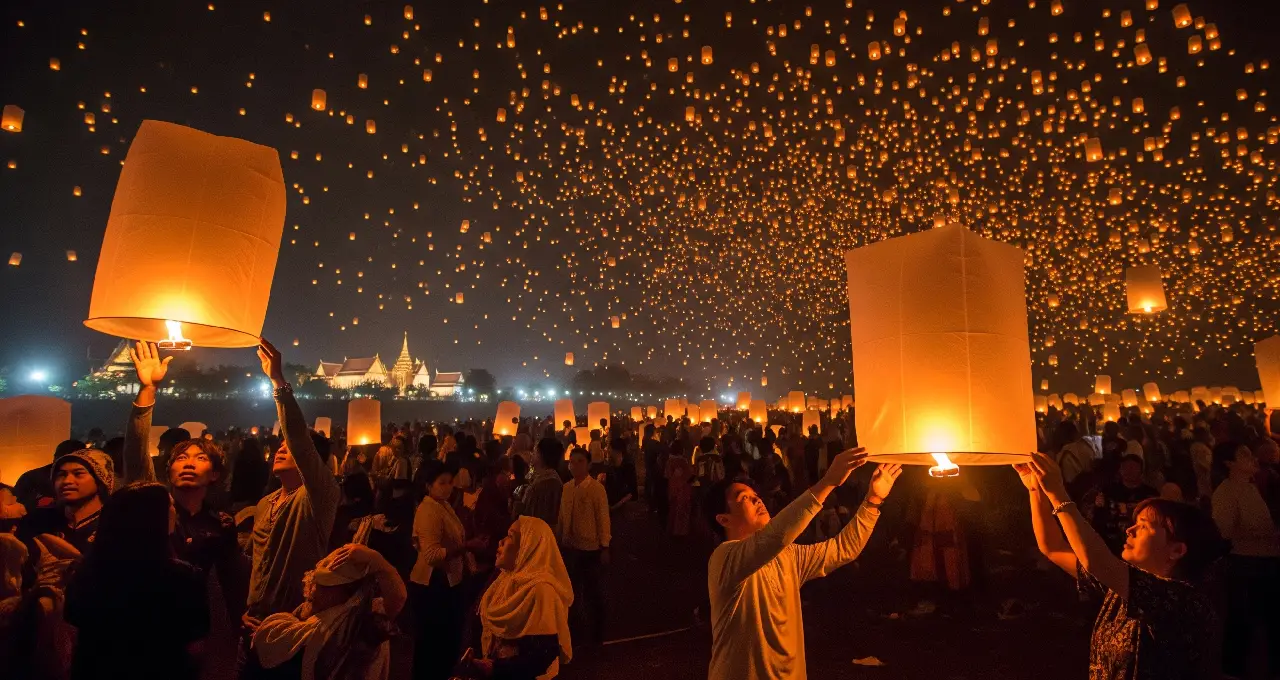
The Yi Peng Lantern Festival, often called the Floating Lantern Festival, is a cornerstone of Northern Thailand’s Lanna culture. Celebrated on the full moon of the 12th lunar month—typically in November—Yi Peng coincides with Loy Krathong, Thailand’s nationwide Festival of Lights. While Loy Krathong involves floating decorated baskets (krathongs) on rivers to honor the water goddess, Yi Peng is distinct for its sky lanterns, or khom loi, which illuminate the Chiang Mai sky. These lanterns, made of rice paper and bamboo, are lit and released to symbolize letting go of negativity and inviting good fortune.
This dual celebration creates a magical atmosphere, with skies aglow and rivers shimmering. In 2025, Yi Peng is set for November 5–6, drawing global travelers to experience its spiritual resonance. For those planning a trip, consider booking Chiang Mai hotels to ensure a comfortable stay close to the festivities.
Yi Peng traces its origins to the Lanna Kingdom over 700 years ago, when it began as a Brahmin ritual later embraced by Thai Buddhist communities. The name “Yi Peng” translates to “second full moon” in the Lanna calendar, marking a sacred moment for spiritual renewal. According to Buddhist philosophy, releasing a lantern represents shedding past burdens and cultivating inner wisdom, a practice known as merit making (tham boon). This act generates positive karma, aligning with Buddhist values of compassion and mindfulness.
The festival’s spiritual depth is rooted in its connection to Buddhist teachings, where the lantern’s flame symbolizes the inner light of wisdom. As noted by Spirituality & Health, Yi Peng embodies “a beautiful metaphor for spiritual practice itself: we light our inner flame through mindfulness and compassion, we rise above our ordinary concerns through wisdom and insight, and we ultimately dissolve into the vast sky of awareness.”
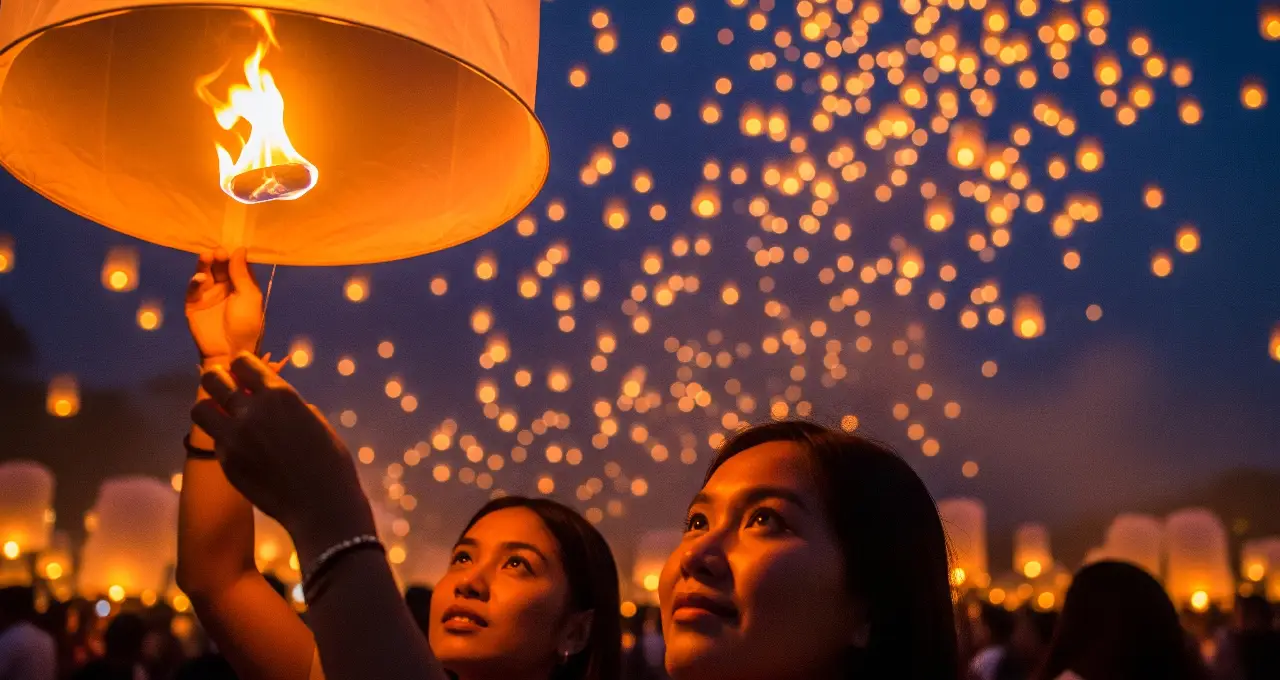
The act of releasing a khom loi is more than a picturesque moment; it is a profoundly personal ritual. Participants often write wishes or prayers on their lanterns before lighting them, infusing the act with intention. As the lantern rises, it carries these hopes skyward, symbolizing the release of worries and the embrace of new beginnings. This moment of letting go resonates universally, offering a sense of closure and renewal.
For many, the collective experience amplifies this emotion. Imagine standing among thousands at Mae Jo University or Tha Phae Gate, watching countless lanterns float upward in unison. The shared act fosters a sense of unity, reflecting the Buddhist principle of interconnectedness. One traveler on Reddit described it as “breathtakingly beautiful,” noting the emotional weight of participating in such a communal ritual.
Yi Peng’s spiritual significance is woven into its rituals, which go beyond lantern releases. Here are some key practices that define the festival:
These rituals invite participants to engage mindfully, fostering a deeper connection to the festival’s spiritual core. For a more immersive experience, consider joining a temple-based retreat and planning your stay through hotels in Thailand, which can connect you with authentic cultural activities.
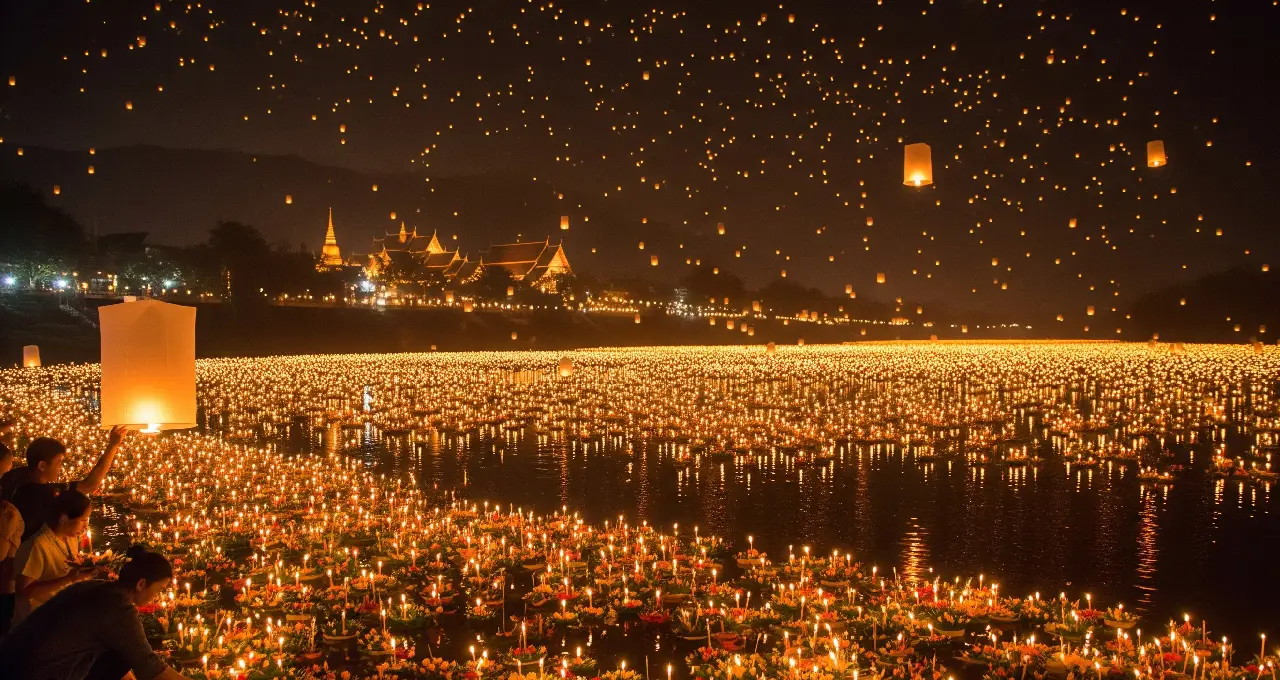
Loy Krathong, celebrated at the same time as Yi Peng, is a festival rich in meaning and tradition. During this celebration, people make small boats called krathongs, which are crafted from banana leaves, flowers, and candles. They then release these boats onto the Ping River to honor the goddess of water and to ask for forgiveness for any harm done to nature. This beautiful act of gratitude goes hand in hand with Yi Peng’s focus on renewal, blending the rituals of the sky and the water in a special way.
The combination of floating lanterns and krathongs creates a sensory experience that is both grounding and uplifting. As one travel expert describes, “The visual impact of seeing thousands of lanterns in the sky paired with the shimmering lights of the krathongs on the water will definitely create a magical and deeply spiritual atmosphere.” For those eager to witness this, Nawarat Bridge is a prime spot to see krathongs drift along the river.
Beyond its spiritual roots, Yi Peng is a vibrant celebration of Lanna culture. Chiang Mai’s streets come alive with parades, traditional dances, and local cuisine like khao soi and sai ua. For travelers who’d like to explore Chiang Mai beyond the festival, consider discovering Chiang Mai, the peaceful alternative to busy Bangkok for an even more serene side of Northern Thailand.
These elements make Yi Peng a cultural immersion as much as a spiritual journey. To plan your visit seamlessly, PlaninGo Flights can help you find affordable travel options to Chiang Mai.
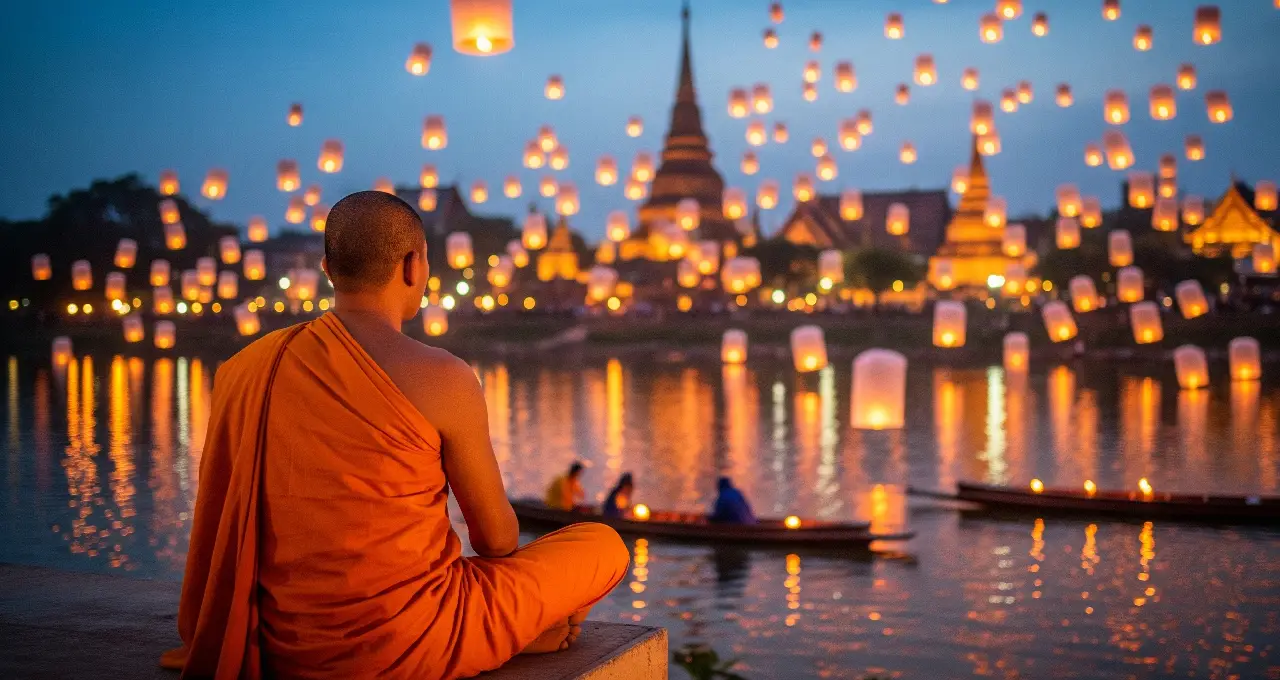
To fully embrace the spiritual experience of Yi Peng, preparation is key. Here are some tips to ensure a meaningful visit:
For a hassle-free experience, consider staying near the Old City or Night Bazaar, easily accessible through trusted booking platforms.
While Yi Peng’s beauty is undeniable, its environmental impact has sparked debate. Lanterns made with metal wires and wax can contribute to pollution, and mass releases have raised safety concerns, leading to restrictions in central Chiang Mai due to air traffic risks. Organized events like the CAD Khomloy Sky Lantern Festival now use designated areas to ensure safety and compliance.
Travelers can contribute to sustainability by choosing eco-friendly lanterns and participating in regulated releases. As one travel blogger noted, the festival’s origins in small farming communities were less impactful, suggesting a return to mindful practices could preserve its spiritual integrity.
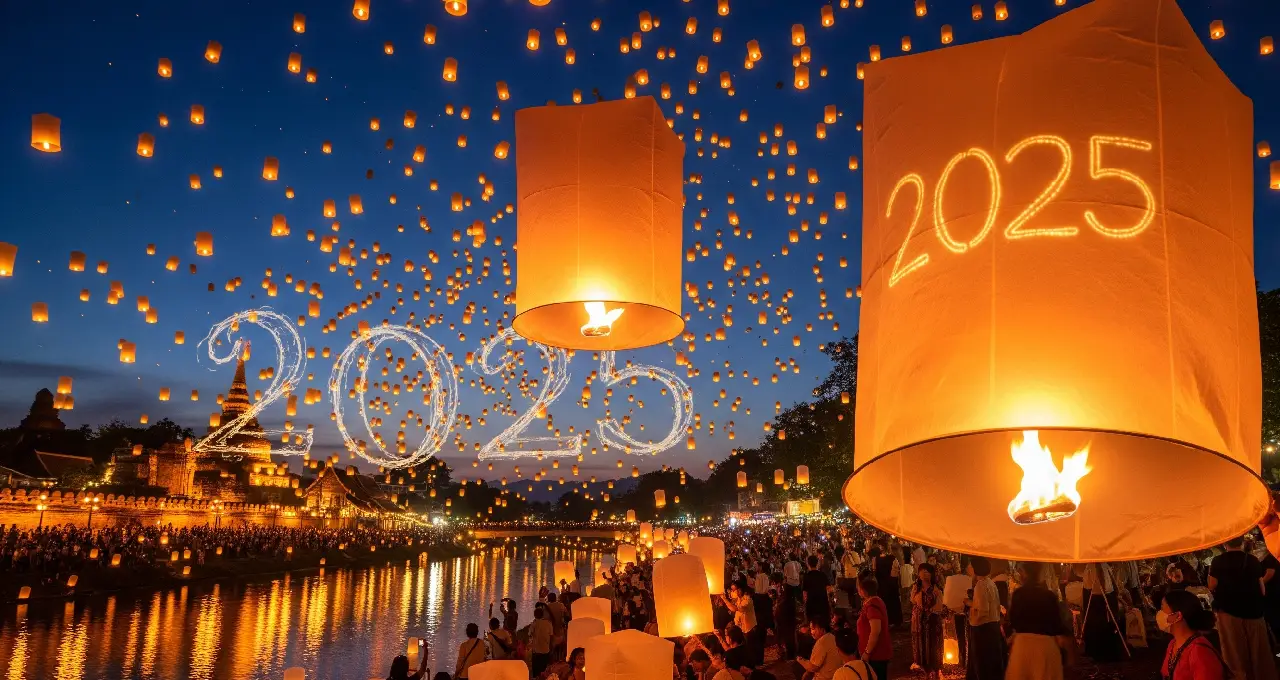
Chiang Mai offers several prime locations for Yi Peng, each with a unique vibe:
| Location | Experience | Best For |
|---|---|---|
| Mae Jo University | Organized mass lantern release, ticketed | Spectacular views, tourists |
| Tha Phae Gate | Free public releases, parades, performances | Vibrant atmosphere, families |
| Wat Phan Tao | Candlelit ceremonies, monk-led prayers | Spiritual seekers, quiet moments |
| Nawarat Bridge | Loy Krathong krathong releases | Romantic, scenic views |
| Lanna Dhutanka Centre | Meditation and lantern release | Intimate, reflective experience |
Check the Thailand Tourism Authority website closer to November 2025 for the official schedule.
The Yi Peng Lantern Festival in Chiang Mai is more than a visual feast—it is a profound spiritual and cultural experience that invites reflection, renewal, and connection. By releasing a lantern or floating a krathong, you join a centuries-old tradition that celebrates hope and unity. Whether you are drawn to the meditative calm of temple ceremonies or the vibrant energy of public celebrations, Yi Peng offers a moment to pause and embrace life’s possibilities. Ready to witness this magical event? Start planning your trip with PlaninGo to secure flights, accommodations, and a front-row seat to Chiang Mai’s glowing skies.

FAQ