

Why the Lake of Stars Festival is Malawi’s Cultural Highlight
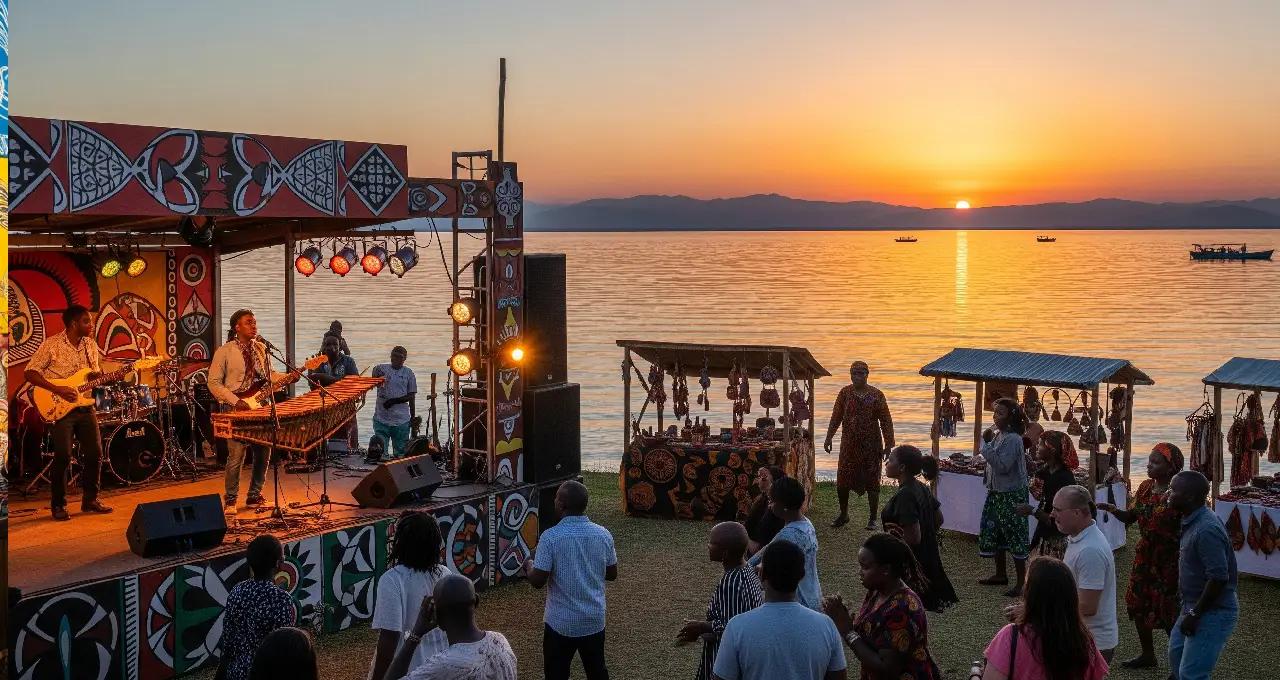
Lake of Stars is a lakeside celebration on Lake Malawi, held in October. Founded in 2004, it now draws 4,000+ visitors for Malawian and pan-African music, workshops, and art. Set against a UNESCO-listed lake, it champions sustainability and funds local education and health projects. Year after year.
Imagine standing on the sun-kissed shores of Africa's third-largest lake, surrounded by the rhythmic beats of local musicians and the vibrant colors of traditional dances. That's the magic of the Lake of Stars Festival in Malawi, an event, that draws thousands each year to celebrate the heart of African creativity. Since 2004, the festival has grown into one of Africa’s leading cultural gatherings, now drawing an estimated 4,000 visitors each year and contributing millions of dollars to the local economy. For travelers seeking authentic cultural experiences, it's more than an event , it’s a window into Malawi's soul. In this post, we'll explore why it stands out as the country's top cultural gem, backed by insights from tourism experts and festival organizers.
But what exactly makes this festival so special? Let's dive into its story and see how it weaves together music, community, and natural beauty.
The Origins and Evolution of the Lake of Stars Festival in Malawi
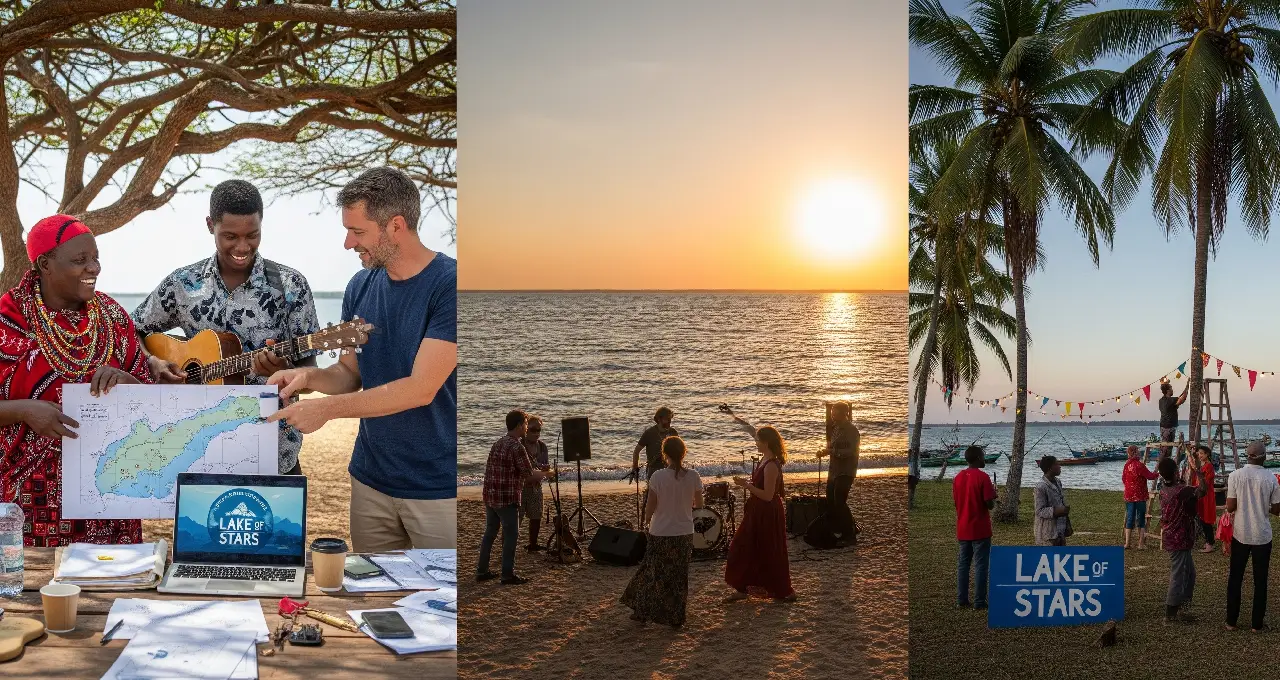
The Lake of Stars Festival in Malawi didn't just appear overnight; it began as a small dream sparked by a visitor's love for the country's vibrant scene. Founded by British traveler Will Jameson in 2004, the inaugural event drew just 700 people to the shores of Lake Malawi. Over the years, it has evolved into a significant force, expanding to include a mix of local and international talent while staying true to its roots as a nonprofit initiative.
From Humble Beginnings to International Fame
What started as a modest gathering has become a beacon for African cultural events, drawing crowds from across the globe. By 2015, attendance had swelled to around 2,400, with non-Malawian visitors making up about 34% of the total—roughly 800 people—boosting the local economy. Today, the festival's growth reflects Malawi's rising profile on the world stage. Reports from the Malawi Department of Tourism indicate that international arrivals have risen by roughly 15% in recent years, with festivals like Lake of Stars believed to play a supporting role, turning remote areas into thriving hubs.
This evolution isn't just about numbers; it's about building lasting connections. Organizers have partnered with local artists and communities to ensure the event grows sustainably, avoiding the pitfalls of overtourism. If you're curious about planning a trip to similar spots, our guide on exploring African cultural landmarks might inspire your next adventure.
What Sets the Lake of Stars Apart as a Malawi Music Festival?
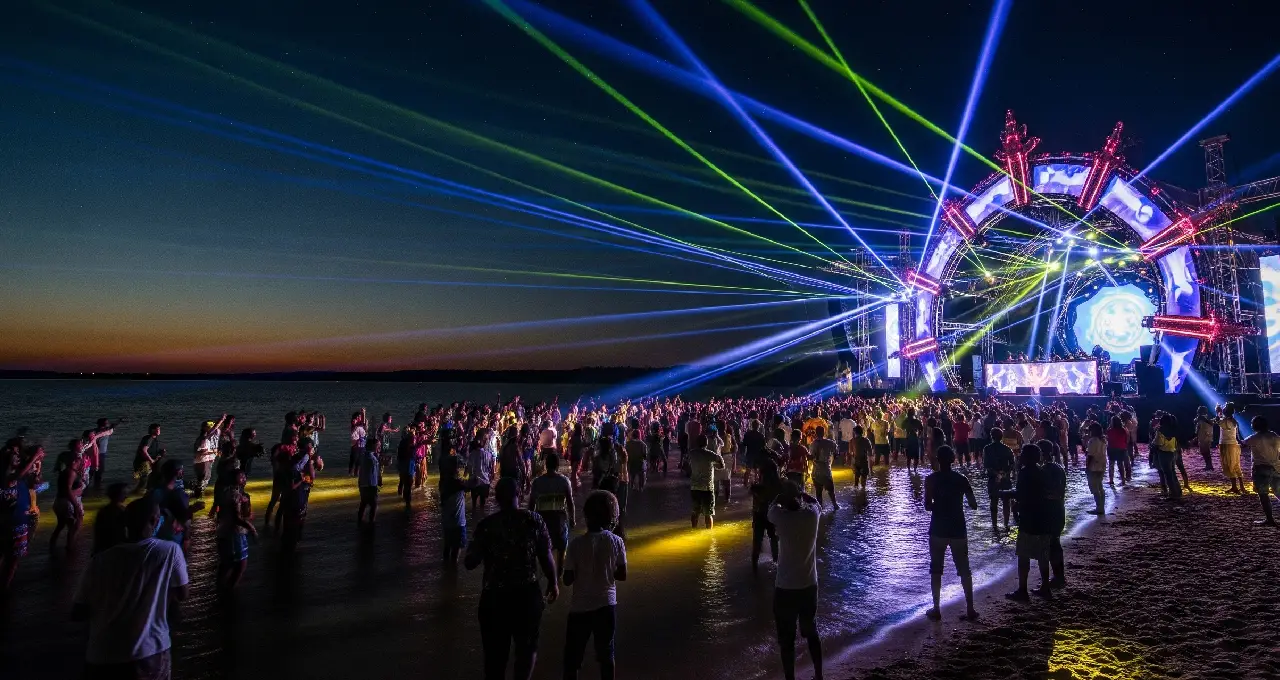
Transitioning from its history, it's clear that the festival's unique blend of elements makes it shine brighter than other gatherings. Held annually in October—with organizers announcing plans for a 2025 edition at Fish Eagle Bay Lodge on Sani Beach in mid-October (dates to be confirmed)—it transforms a serene lakeside setting into a hub of creativity. If you’re planning to attend, book a hotel in Malawi early so your travel dates align with the festival program.
The Stunning Location on Lake Malawi
Picture this: golden sands, clear turquoise waters, and the majestic Lake Malawi, often nicknamed "Calendar Lake" for its 365-mile length and 52-mile width, is also celebrated for its biodiversity. The festival’s location in Nkhotakota District sits near Lake Malawi National Park, a UNESCO World Heritage Site, which adds an unparalleled charm to the event. Research from the World Bank notes that lake-based tourism contributes over $50 million annually to Malawi's GDP, with events like Lake of Stars amplifying that figure by drawing eco-conscious visitors. If you’re building a nature-forward itinerary around the lake and beyond, see our guide to the Top 10 must-visit natural reserves in Africa.
Attendees often describe the setting as transformative, fostering a sense of peace amid the festivities. For stays that match the festival’s relaxed vibe, compare hotels in Malawi near Lake Malawi and along the Nkhotakota coast.
A Diverse Lineup of African Cultural Events
At its core, the Lake of Stars is a celebration of sound and story, featuring a lineup that spotlights Malawian and pan-African artists. Past headliners have included talents like Sho Madjozi and Mumba Yachi, alongside local acts such as the Madalitso Band. The 2025 program promises even more homegrown performers, blending genres from Afrobeat to traditional rhythms. This diversity isn't accidental; it's designed to showcase underrepresented voices, with over 70% of acts hailing from Africa.
Experts from the African Union highlight how such festivals preserve intangible heritage, much like Malawi's Gule Wamkulu dance, which earned UNESCO recognition in 2014. The event's structure—spanning music stages, art installations, and workshops—ensures every attendee leaves with a deeper appreciation for the continent's creative pulse.
Celebrating Malawian Arts and Community Empowerment
Showcasing Local Talent in Malawian Arts
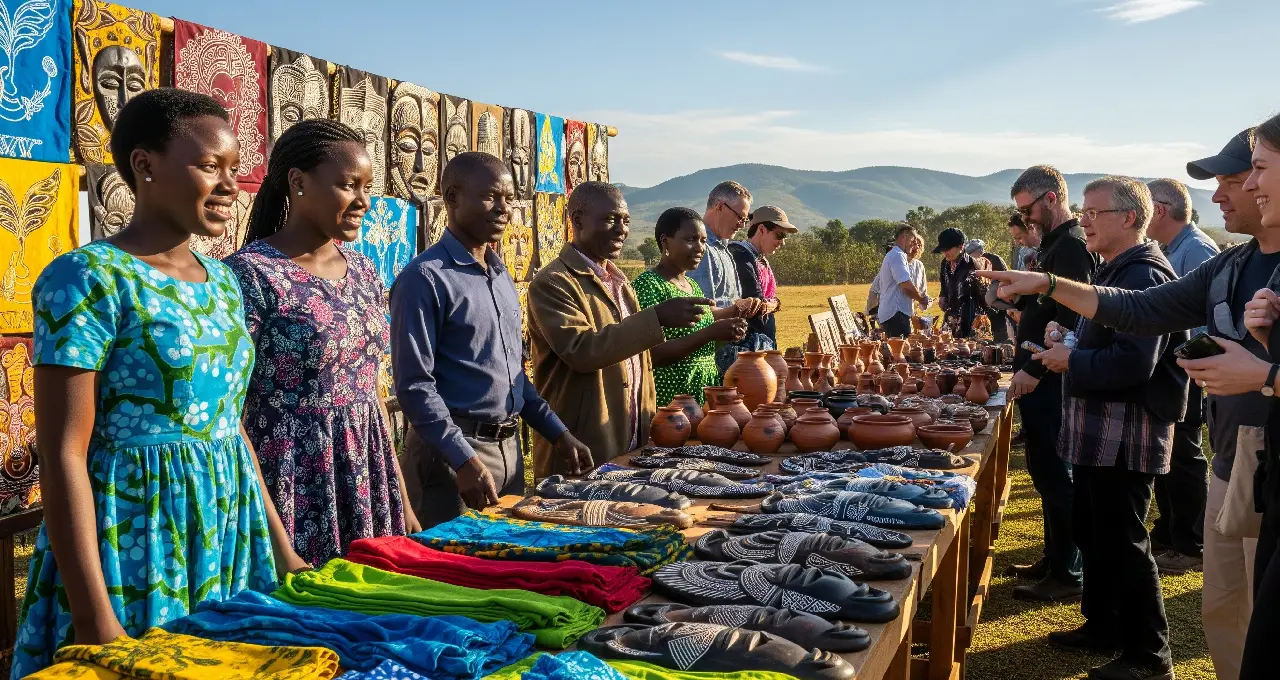
One of the festival's most rewarding aspects is its commitment to emerging artists. Workshops on dance, film, and visual arts allow participants to learn from masters, creating opportunities for skill-building. A study by the Journal of Festival Studies found that events like this increase local artist visibility by 40%, leading to international tours and collaborations. For instance, Malawian performers have used the stage to launch careers that now span Europe and North America.
This focus on talent nurturing feels personal and inclusive, inviting everyone to contribute. It's why travelers often return year after year, drawn by the genuine spirit of collaboration.
Sustainable Practices at the Festival
Sustainability is woven into the festival's fabric, especially for the 2025 edition, where organizers aim to partner with the Renewable Energy Industries Association of Malawi (REIAMA) to go fully green. From solar-powered stages to waste repurposing—where materials are turned into school buildings—the event seeks to minimize its footprint. Early targets mention up to an 80% reduction in plastic use, though final results will depend on implementation, aligning with global trends toward eco-friendly gatherings.
This approach not only protects Lake Malawi's ecosystem but also educates attendees on responsible travel. For more on green initiatives, the official Lake of Stars website offers detailed insights into their efforts.
The Economic and Social Impact on Tourism in Malawi
As we reflect on the festival's creative side, it's worth noting how it ripples outward to benefit the wider community. Economically, it's a powerhouse, while socially, it builds bridges that last.
| Year | Estimated Attendance | Economic Impact (USD) | Key Benefits |
|---|---|---|---|
| 2004 | 700 | Minimal (startup phase) | Local artist exposure |
| 2015 | ~2,400 | $1.46 million | Tourism boost, job creation |
| 2018 | ~4,000 | $2 million | Community infrastructure support |
These figures, drawn from tourism reports, underscore the festival's role in sustainable development. Socially, it strengthens community bonds; a report from the Malawi Tourism Council notes that 60% of proceeds fund local education and health projects.
The festival's impact extends to cultural preservation, with initiatives that echo UNESCO's emphasis on safeguarding traditions. For deeper reading, the Malawi Tourism site provides government-backed stats on these benefits.
Why Should Travelers Add the Lake of Stars to Their Bucket List?
- Authentic cultural immersion: Dive into Malawian arts without the crowds of bigger destinations.
- Natural beauty meets creativity: The Lake Malawi setting offers relaxation alongside inspiration.
- Community-focused vibes: It’s about connection, not just observation perfect for empathetic explorers.
- Eco-conscious adventure: Align your travels with positive change through sustainable practices.
- Global yet local feel: A mix of international flair and homegrown talent creates unforgettable memories.
Travelers rave about the welcoming atmosphere, with many citing it as a highlight of their African trips. As one visitor shared in a Guardian feature, “It's a reminder of music's power to unite.”
If you're extending your journey across the region—think Tanzania, Zambia, or Mozambique, and compare hotels in Africa to plan multi-destination stays.
In Closing
The Lake of Stars Festival in Malawi truly earns its spot as the country's cultural crown jewel—blending rich traditions, economic vitality, and heartfelt community spirit into an experience that's as enlightening as it is enjoyable. Whether you're a first-time visitor to Africa or a seasoned wanderer, this event promises memories that linger. Start planning your journey today.

Planingo
FAQ