

Why Should Culture and Nature Lovers Visit Dali, China?
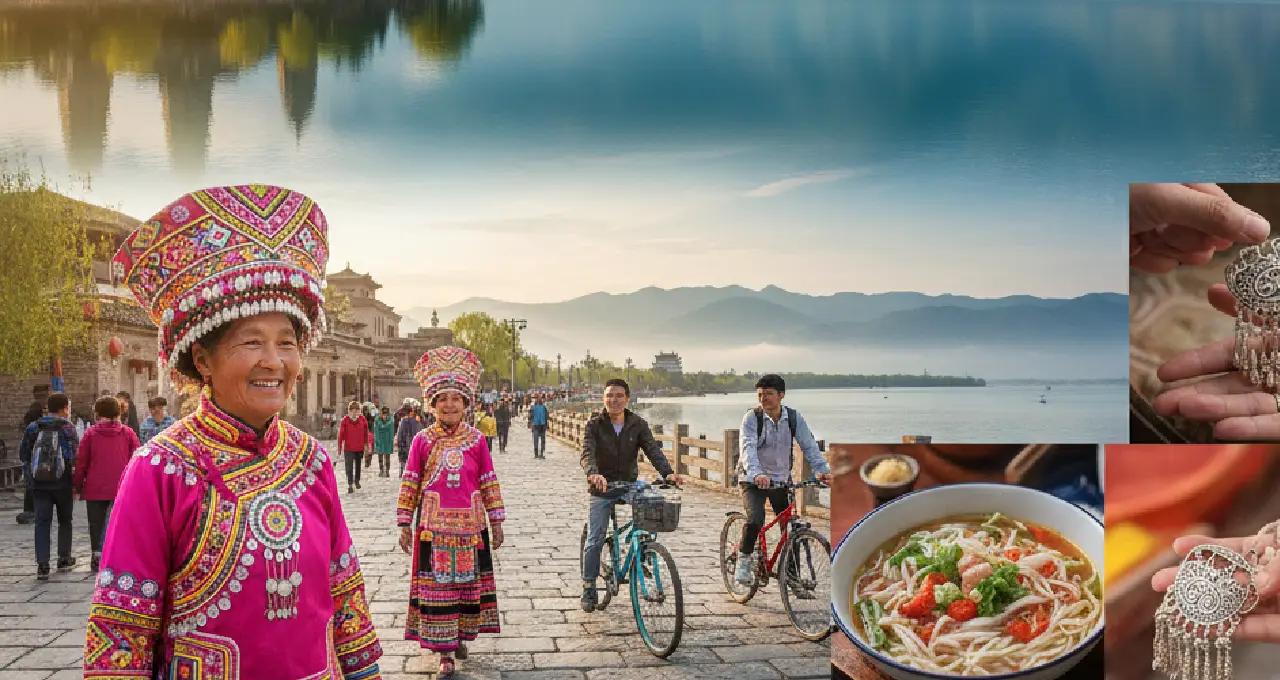
Culture and nature lovers should visit Dali, China, because it uniquely combines 1,300 years of living Bai minority heritage with stunning alpine landscapes. This Yunnan destination offers authentic cultural immersion through traditional villages, ancient temples, and local crafts, while providing outdoor adventures around the pristine Erhai Lake and the towering Cangshan Mountains, creating an unmatched blend of history and natural beauty.
Dali, in southwestern Yunnan province, combines Bai minority traditions with dramatic mountain and lake scenery. For travelers who value authentic culture as much as natural beauty, it’s one of China’s most rewarding destinations. With China’s domestic tourism totaling 5.615 billion trips in 2024 — a 14.8% year-on-year increase — destinations like Dali are gaining renewed appreciation from both local and international visitors (official statistics released by China’s State Council in January 2025). This UNESCO-rich region harmoniously combines snow-capped mountains, pristine lakes, and vibrant centuries-old traditions. For families, cultural enthusiasts, and nature lovers, Dali stands out as one of China's most rewarding destinations, offering a perfect balance of heritage exploration and outdoor adventures.
To understand what makes Dali so special, let’s dive into its rich cultural tapestry, stunning natural environment, and sustainable travel opportunities that make it a gem in China’s diverse landscape. From ancient villages to serene lakeside retreats, Dali invites travelers to connect with both history and nature in meaningful ways.
Top Cultural Experiences in Dali: Old Town, Three Pagodas & Bai Traditions
Dali Old Town: A Living Museum of Bai Architecture
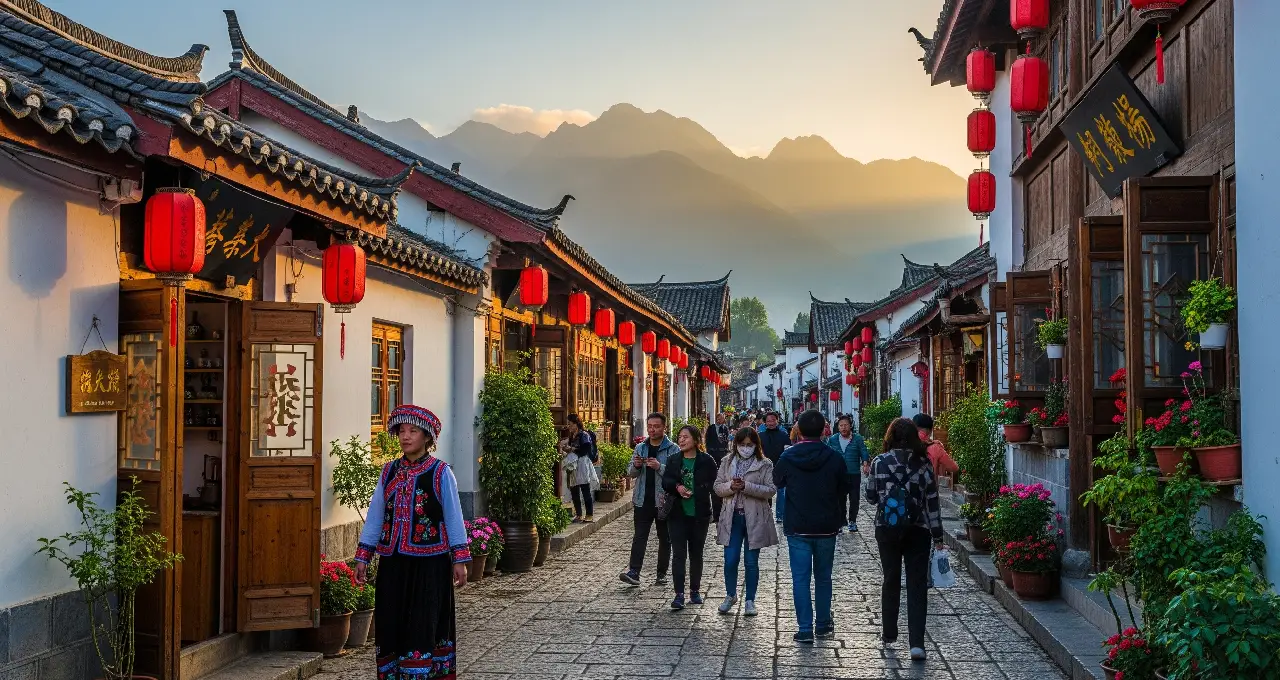
Dali’s Old Town, with its ancient city walls and traditional courtyard houses, showcases over 1,300 years of Bai architectural heritage. Cobblestone streets wind through beautifully preserved buildings adorned with white walls, gray tiles, and intricate wooden carvings that reflect the region’s unique aesthetic. Visitors can explore the town’s four main gates, each offering insight into traditional urban planning and defensive architecture. The lively atmosphere of Old Town, where locals sell handmade crafts and share stories, creates a vibrant connection to Bai culture.
The iconic Three Pagodas of Chongsheng Temple, dating back to the 9th century during the Nanzhao Kingdom, are Dali’s most recognizable cultural landmark. These Buddhist monuments, reaching up to 69 meters, represent remarkable engineering feats and hold deep spiritual significance for the Bai people. Their reflection in nearby pools creates one of Yunnan’s most photographed scenes. Guided tours of the temple grounds reveal stories of ancient kingdoms, offering a deeper appreciation for Dali’s historical role in regional trade and spirituality.
Authentic Bai Minority Traditions
Local markets in Xizhou and Zhoucheng villages offer immersive cultural experiences, where visitors can observe traditional tie-dyeing, wood carving, and silver jewelry crafting. The Bai people have preserved these artistic traditions for centuries, passing skills down through generations. Families enjoy hands-on workshops where children can create simple tie-dye patterns, while adults uncover the intricate symbolism behind each design. Seasonal festivals, featuring traditional Bai dances and music, provide a lively glimpse into the community’s folklore and values.
Traditional Bai tea ceremonies, featuring the “Three Course Tea” ritual with its bitter, sweet, and aftertaste phases, symbolize life’s journey. Held in authentic courtyard settings, these ceremonies offer a serene, non-commercialized experience. Beyond crafts and rituals, Dali’s cultural museums showcase artifacts from the Nanzhao and Dali Kingdoms, highlighting the Bai people’s role in shaping Yunnan’s history. These exhibits provide context for how ancient trade routes influenced modern Bai identity, enriching visitors’ understanding of this vibrant culture.
Nature Activities Around Dali
Erhai Lake: Yunnan’s Alpine Jewel
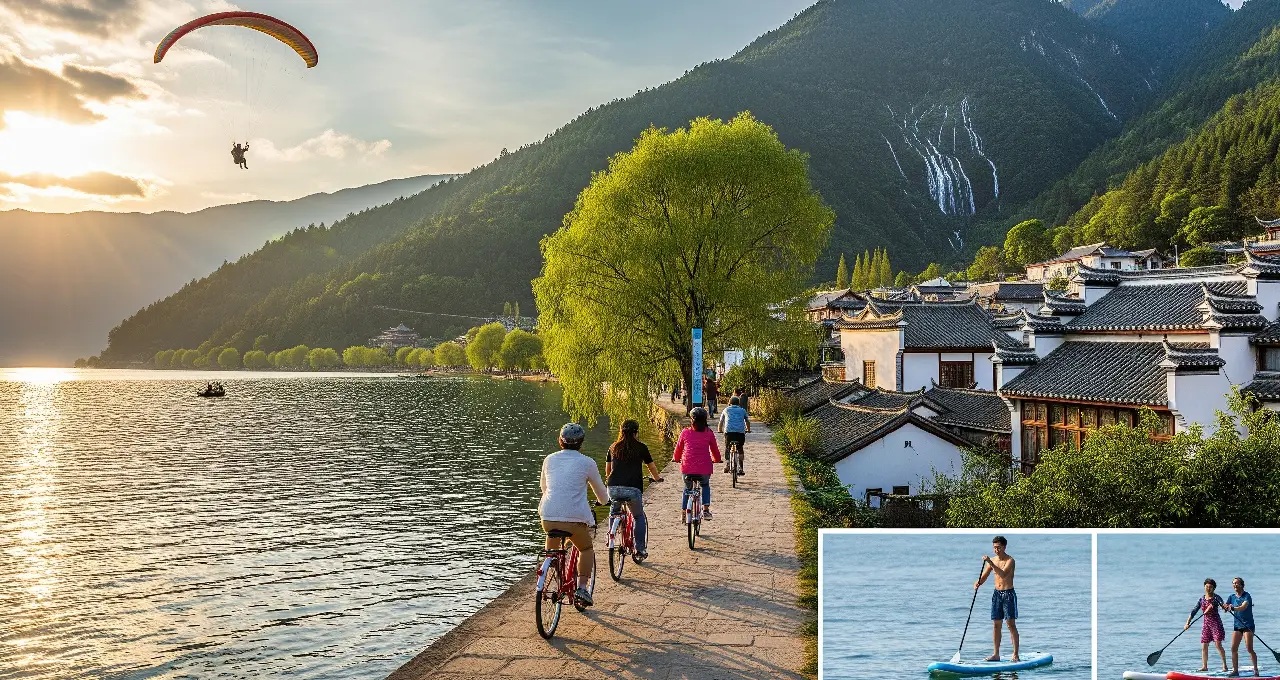
Erhai Lake, framed by the majestic Cangshan Mountain range with peaks soaring over 4,000 meters (13,000 feet), offers breathtaking panoramas reflected in its crystal-clear waters. Cycling along the lake’s eastern shore, particularly the 13-kilometer stretch from Wase to Wenbi Village, allows visitors to take in both the lake and the mountains. Family-friendly paths encircle the lake, with gentle terrain suitable for all ages. Electric bicycle rentals make exploration accessible for families with young children or those preferring a leisurely pace. Sunrise views, with golden light illuminating the water and peaks, create unforgettable moments.
Boat excursions on Erhai Lake reveal hidden coves and traditional fishing villages where Bai families have lived for generations. These tranquil journeys allow travelers to spot migratory birds and learn about conservation efforts to protect the lake’s biodiversity. For a deeper connection to the region, consider kayaking or paddleboarding, which offer intimate encounters with the lake’s ecosystem. In the evenings, lakeside picnics under starry skies provide a serene setting to share stories with local guides, blending nature and culture seamlessly.
Cangshan Mountains: Accessible Alpine Adventures
The Ximatan Cableway, China’s longest, provides panoramic views of Erhai Lake and the Cangshan peaks, with Ximatan serving as a prime vantage point, especially in spring when highland azaleas bloom. This cable car makes mountain exploration accessible for families and those with varying mobility levels. Well-maintained hiking trails, like the 13.5-kilometer Yudaiyun Trail, offer stunning valley views and diverse flora, with spring rhododendrons and autumn foliage adding vibrant colors.
Mountain temples and meditation retreats provide serene spaces for reflection, often offering vegetarian meals and mindfulness workshops. These retreats emphasize sustainable practices, such as using locally sourced ingredients, aligning with eco-conscious travel goals. For those seeking adventure, guided treks reveal hidden waterfalls and rare plant species, with trails designed to minimize environmental impact. Dali’s commitment to preserving its natural beauty makes it an ideal destination for sustainable travelers, as outlined in How Can You Plan a Truly Sustainable Summer Trip to China?.
Culinary Delights in Dali
Yunnan’s Diverse Food Heritage
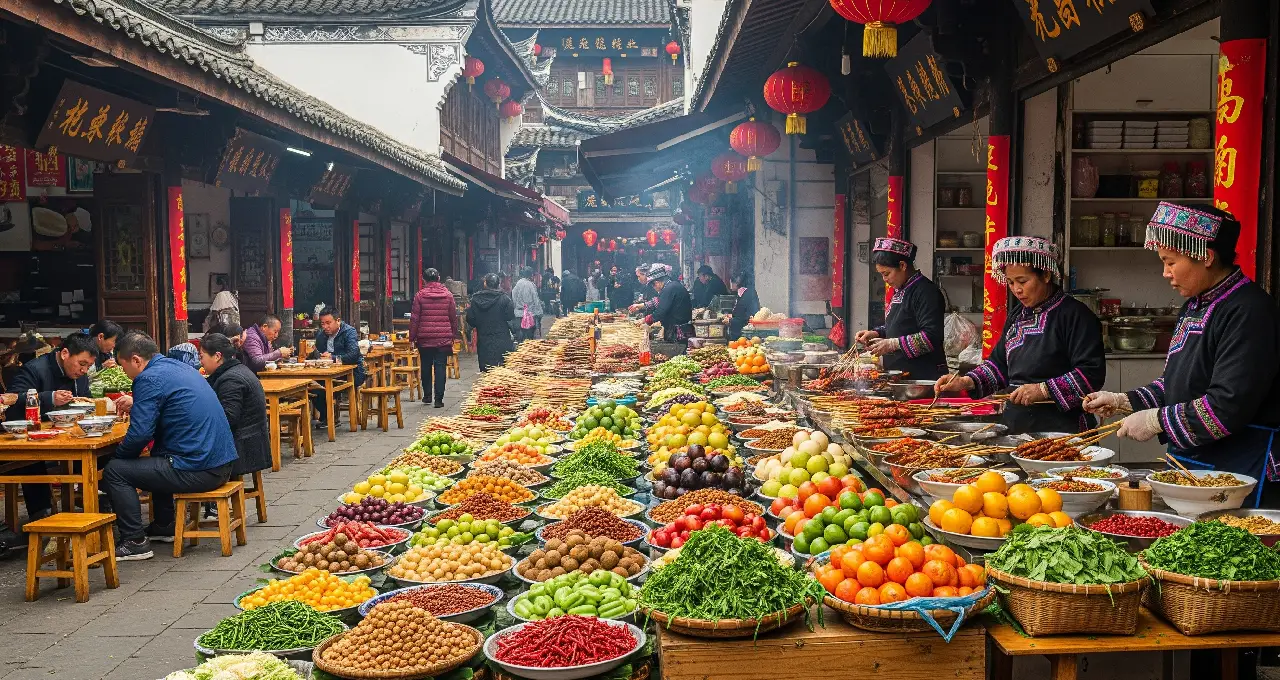
Dali’s cuisine reflects its position along ancient trade routes, blending influences from Tibet, Southeast Asia, and Han Chinese traditions. Local dishes feature fresh ingredients from highland farms and lake fishing, creating flavors distinct from other Chinese cuisines. The iconic crossing-the-bridge rice noodles (过桥米线), served with fresh vegetables, herbs, and protein options in a rich broth, are a must-try. Vegetarian versions, using mushroom-based broths, cater to diverse diets. Local markets offer wild herbs and freshwater fish, inspiring travelers to try home-cooked Bai recipes.
Beyond iconic dishes, Dali’s food culture includes unique fermentation techniques and seasonal ingredients. Cooking classes in Bai villages teach visitors how to prepare traditional meals, fostering cultural exchange. These classes often use organic produce, supporting local farmers and sustainable practices, making dining in Dali both a culinary and ethical experience.
Vegetarian and Halal-Friendly Options
Buddhist temple restaurants serve creative vegetarian dishes, using local mountain vegetables, wild mushrooms, and innovative tofu preparations. Muslim-friendly restaurants, often run by Hui communities, provide halal-certified meals, including lamb dishes and noodle soups. Local markets offer exotic fruits, organic vegetables, and specialties like Pu-erh tea and highland honey, perfect for family snacks or simple meals. Street food vendors provide safe options like roasted chestnuts and vegetable-based snacks, ensuring inclusivity for all dietary needs.

Best Time to Visit Dali
Seasonal Advantages for Different Interests
Spring (March–May) transforms Dali into a floral paradise with azalea blooms on Cangshan slopes and blossoming fruit trees. Temperatures of 15–25°C (59–77°F) are ideal for hiking and cycling. Summer (June–August) offers warm weather and long daylight hours, perfect for lake activities, despite brief afternoon showers. Autumn (September–November), with temperatures of 12–22°C (54–72°F), provides clear mountain views and fewer crowds, ideal for photography and hiking. Winter (December–February) brings mild temperatures (8–18°C, 46–64°F), with lower accommodation costs and comfortable low-elevation activities.
Festivals like the Bai Torch Festival in summer add cultural vibrancy, with fireworks and traditional performances. Planning your visit around these events, as detailed in Tips for Booking Summer Tours in Japan and China, ensures a rich cultural experience.
How to Get to Dali
Transportation Options and Connections
Dali Bai Autonomous Prefecture Airport offers direct flights from major Chinese cities like Beijing, Shanghai, Guangzhou, and Kunming. International travelers can connect through Kunming Changshui International Airport. For seamless travel planning, book your flight to China with options tailored to your schedule. High-speed rail from Kunming to Dali takes about 2 hours, offering scenic views. Regular bus services connect Dali with nearby cities, though rail is faster.
Local Transportation Within Dali
Electric buses run frequently between Old Town, lakeside areas, and tourist sites. Bicycle rentals, including electric options, provide flexible exploration. Private drivers and guided tours offer convenience, often including cultural insights and accommodating specific needs, making it easy to navigate Dali’s attractions.
Where to Stay in Dali
Accommodation Options for Different Preferences
Traditional courtyard hotels in Old Town blend Bai-style architecture with modern amenities, offering peaceful gardens and easy access to cultural sites. Lakeside resorts near Erhai Lake provide stunning views and family-friendly facilities like swimming pools. For a wide range of hotels in China, explore options from boutique stays to eco-friendly lodges that suit your budget and preferences.
Budget-conscious travelers can choose guesthouses run by Bai families, offering regional breakfasts and local insights. Mountain retreats and wellness centers cater to those seeking meditation, yoga, or sustainable experiences, often using solar energy and organic food. These eco-lodges align with Dali’s commitment to preserving its natural and cultural heritage, making them ideal for conscious travelers.
Practical Travel Tips for Dali
Cultural Sensitivity and Local Customs
Respecting Bai traditions enhances your experience. Learn simple Bai greetings, remove shoes when entering traditional homes, and ask permission before photographing people, especially elders and children. Temples require modest clothing covering shoulders and knees. Engaging respectfully with locals fosters meaningful cultural exchanges.
Health and Safety Considerations
Dali’s 2,000-meter (6,560-foot) altitude may cause mild symptoms initially. Stay hydrated, avoid overexertion, and acclimatize gradually. Bring layered clothing and rain protection for unpredictable mountain weather, and use sunscreen at higher elevations. Stick to bottled water or reliable filtration for drinking and brushing teeth to ensure safety.

Sustainable Travel in Dali
Dali’s commitment to sustainability makes it an ideal destination for eco-conscious travelers. Many local businesses, from restaurants to accommodations, prioritize organic ingredients and renewable energy. Community-led initiatives, such as lake conservation programs, allow visitors to contribute to preserving Dali’s natural beauty. Participating in eco-friendly tours or staying in sustainable lodges ensures your visit supports the region’s environmental and cultural preservation efforts.
Conclusion
Dali is a gem for travelers seeking cultural immersion and natural beauty. From exploring ancient Bai traditions in preserved villages to cycling along pristine Erhai Lake with the Cangshan Mountains as a backdrop, this Yunnan destination offers diverse experiences for all ages. Its welcoming communities, varied cuisine, and accessible activities make it ideal for families and culturally curious travelers. Plan your journey thoughtfully to experience Dali’s unique blend of ancient wisdom and natural splendor, ensuring a trip that’s both memorable and sustainable.

Planingo
FAQ